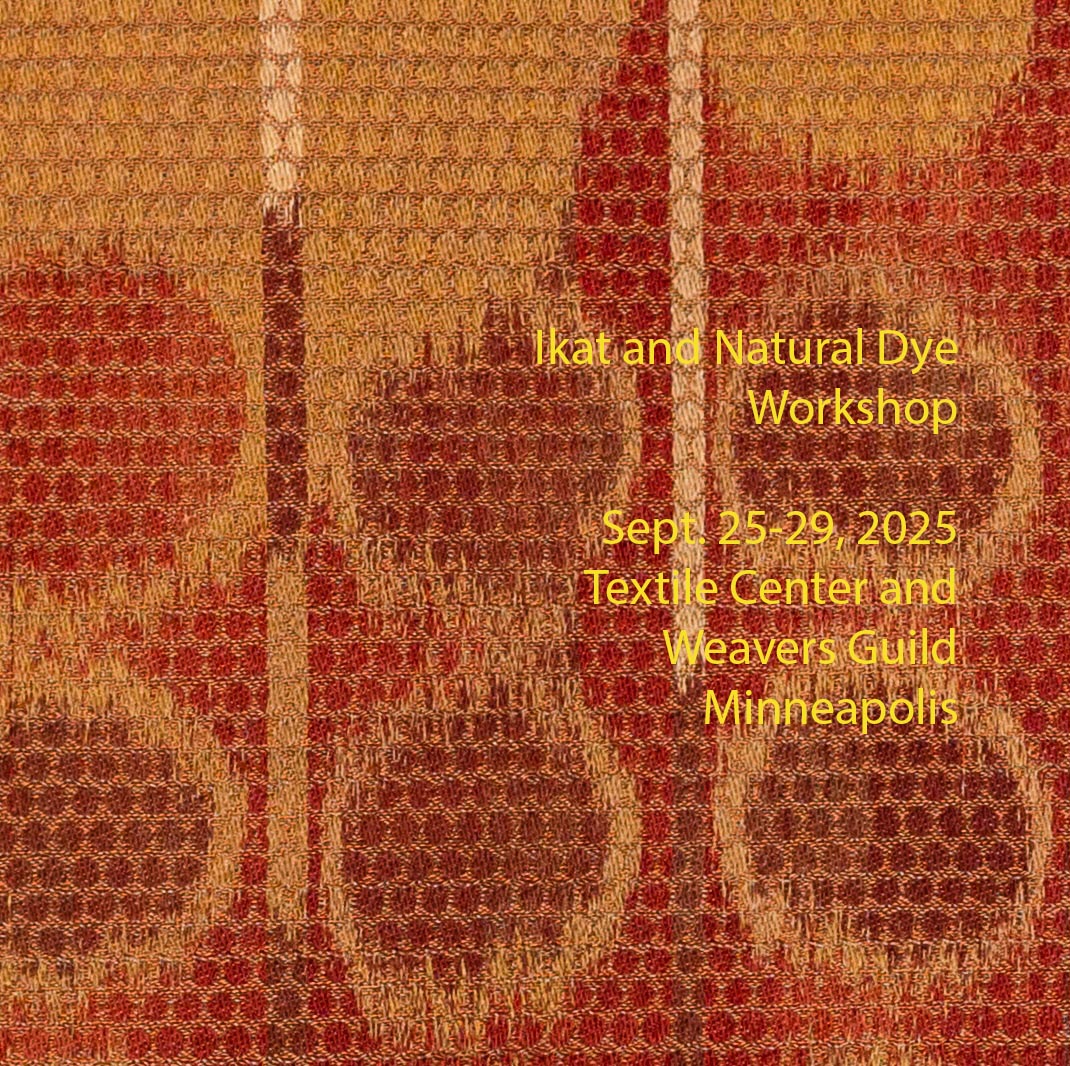
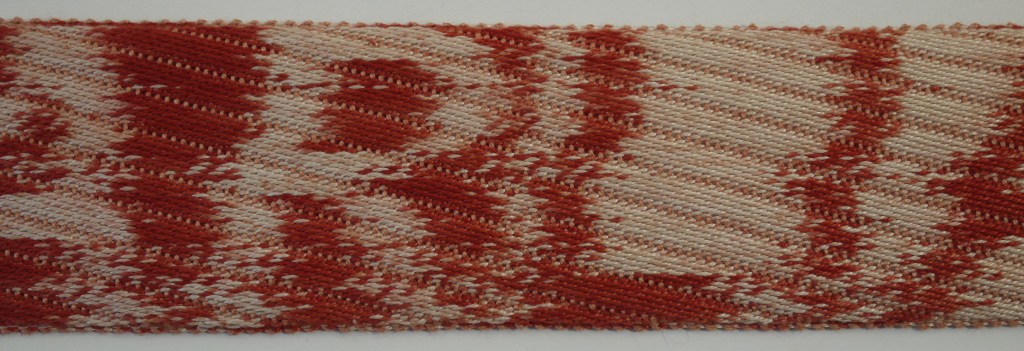
Registration for 5 day immersive warp ikat and natural dye workshop at the amazing Textile Center in collaboration with Weavers Guild of Minnesota (WGM) is open. The course is designed for all levels because every step of the process from winding the warp, designing and binding for ikat, to preparing cotton for natural dyeing, to setting up the loom and weaving and everything in between is covered in the class. Click here for registration details.
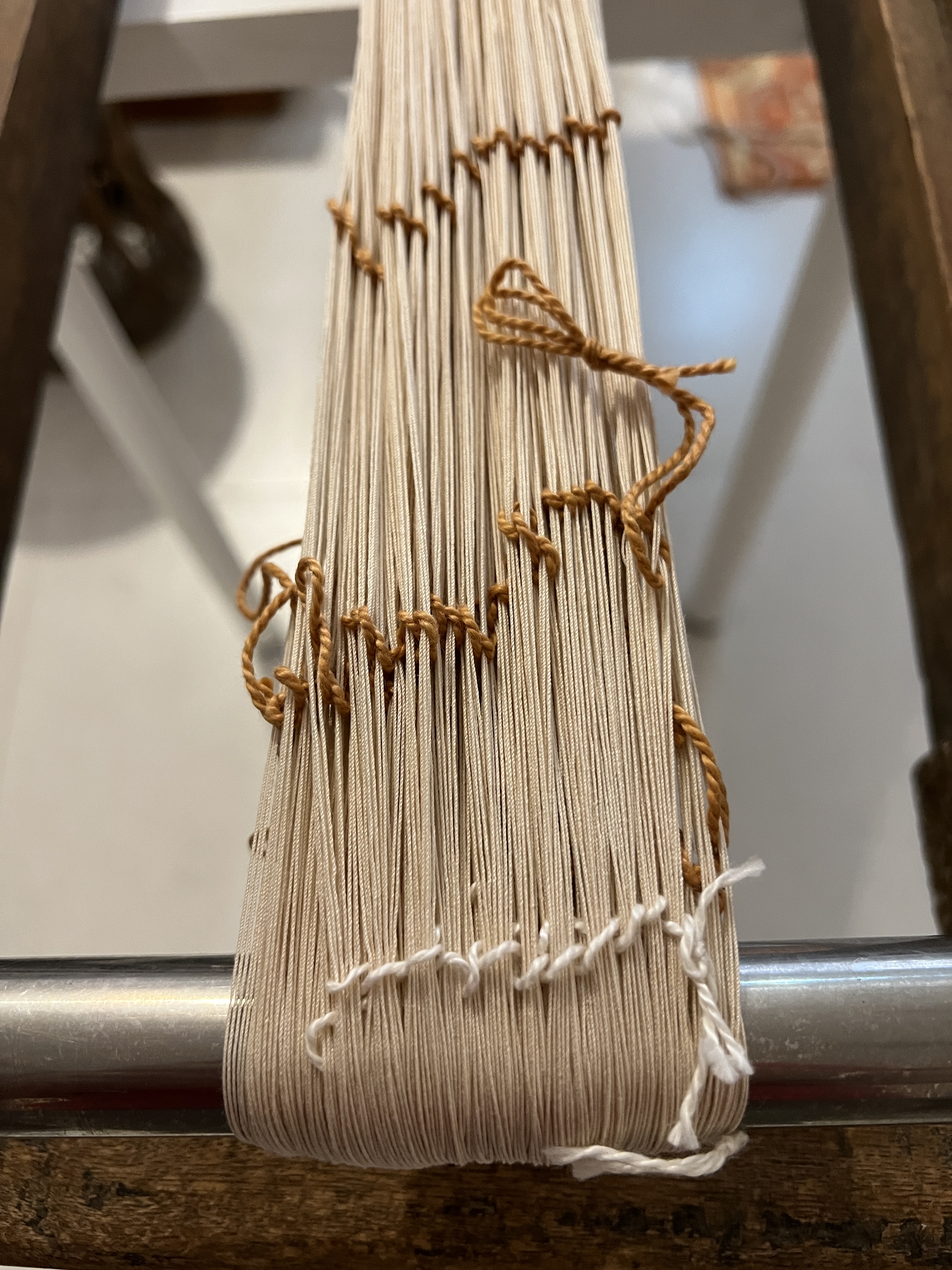
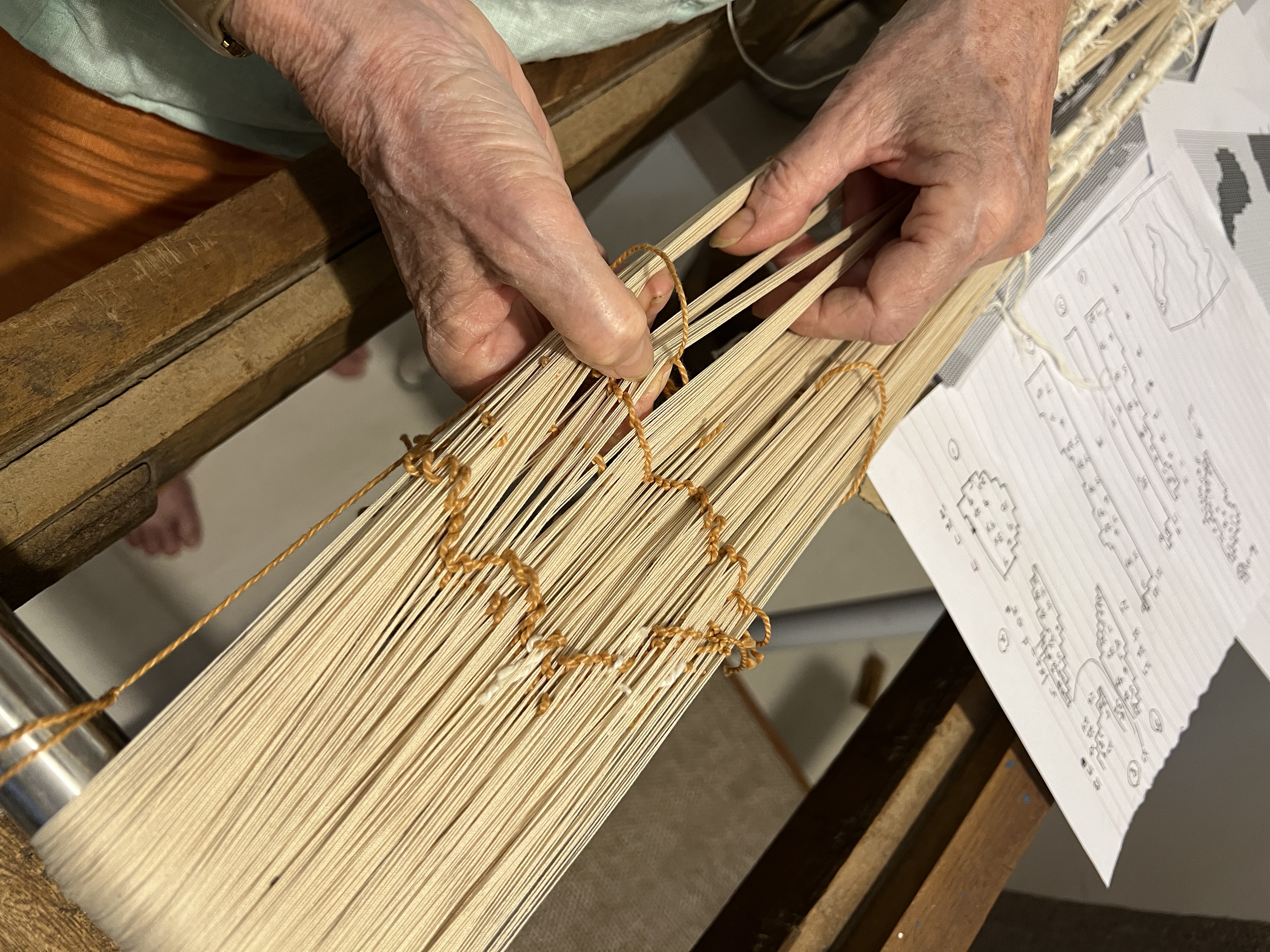
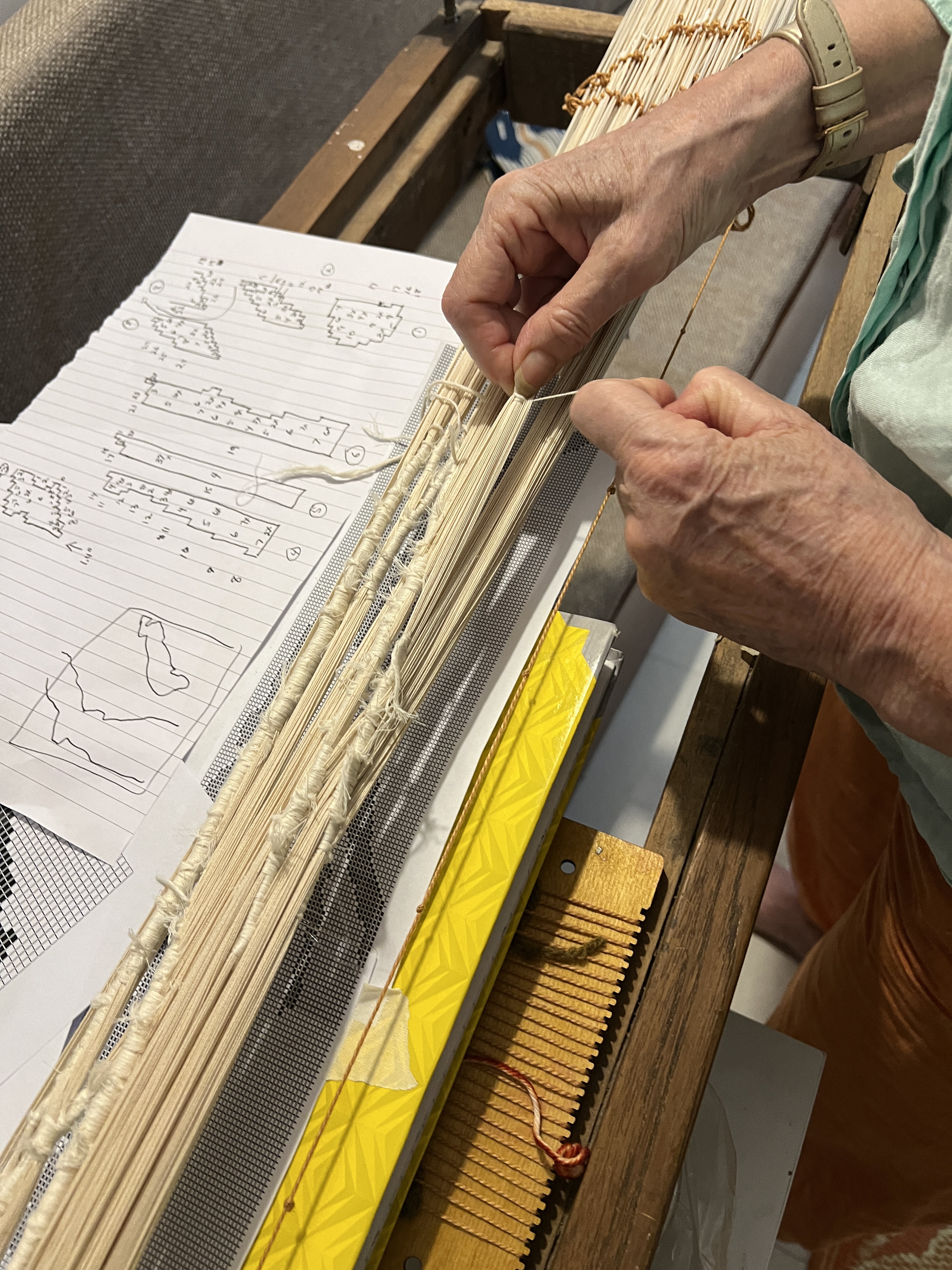
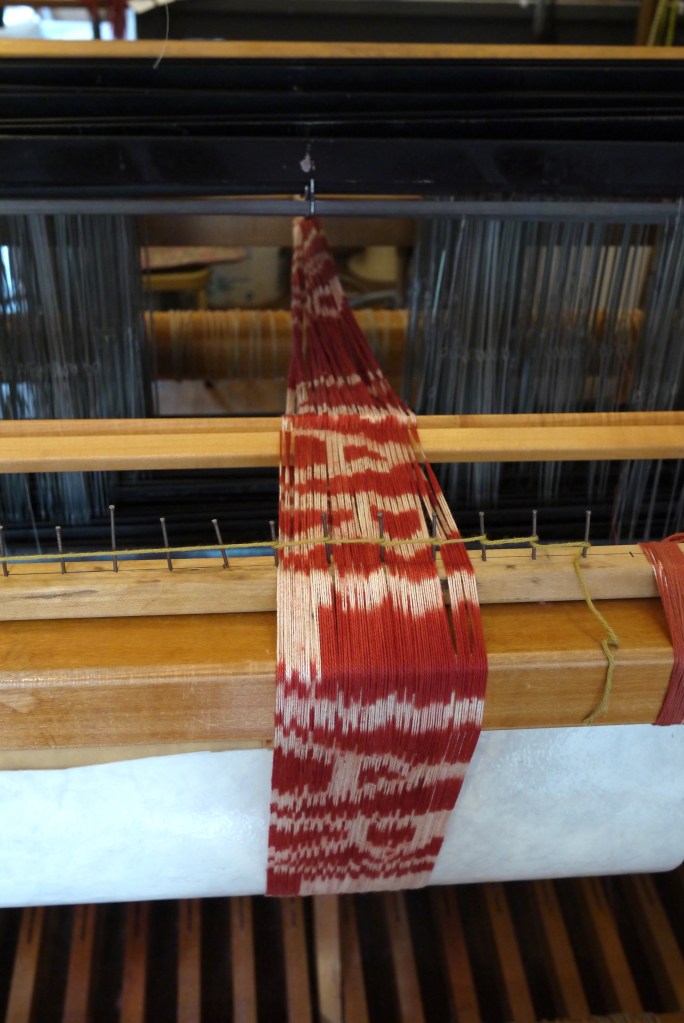
We will work with cotton warp threads and learn how to set up a binding frame based on the techniques used in Gujarat, India, where I have worked with master weavers to document their unique method of preparing the warp for binding.
Participants will spend the first three days on site at the Textile Center to prepare and dye the warp from learning how to wind a warp with both a raddle and a threading cross, to placing the warp onto a binding frame and learning how to organize the threads for binding your design accurately, and dyeing weft threads.
We will move over to the Weavers Guild, located in the spectacular Open Book building, to weave up the dyed warp in a selection of weave structures, as desired by the weaver.
Join us in September 25-29, 2025 and prepare yourself to enter the exciting, colorful, and patterned world of ikat!
An installation in collaboration with Jay Kreimer at Project Project in Omaha, Nebraska
Project Project is an alternative gallery space nestled in the Vinton Street Commercial Historic District of Omaha, Nebraska. Once an alley between two historic buildings, the venue exists thanks to the work of Joel Damon and Josh Powell, who curate, install, program, and run the show.
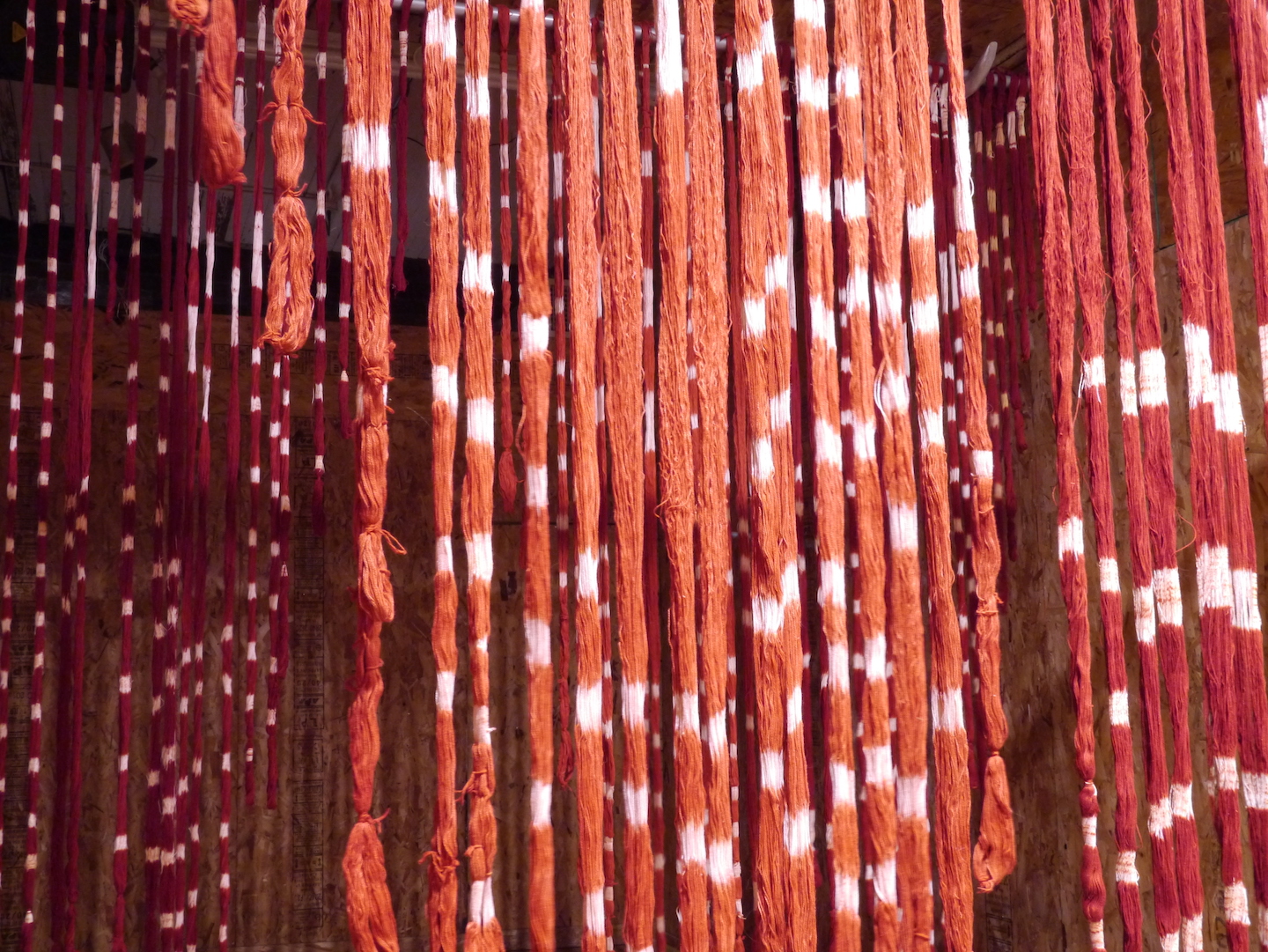
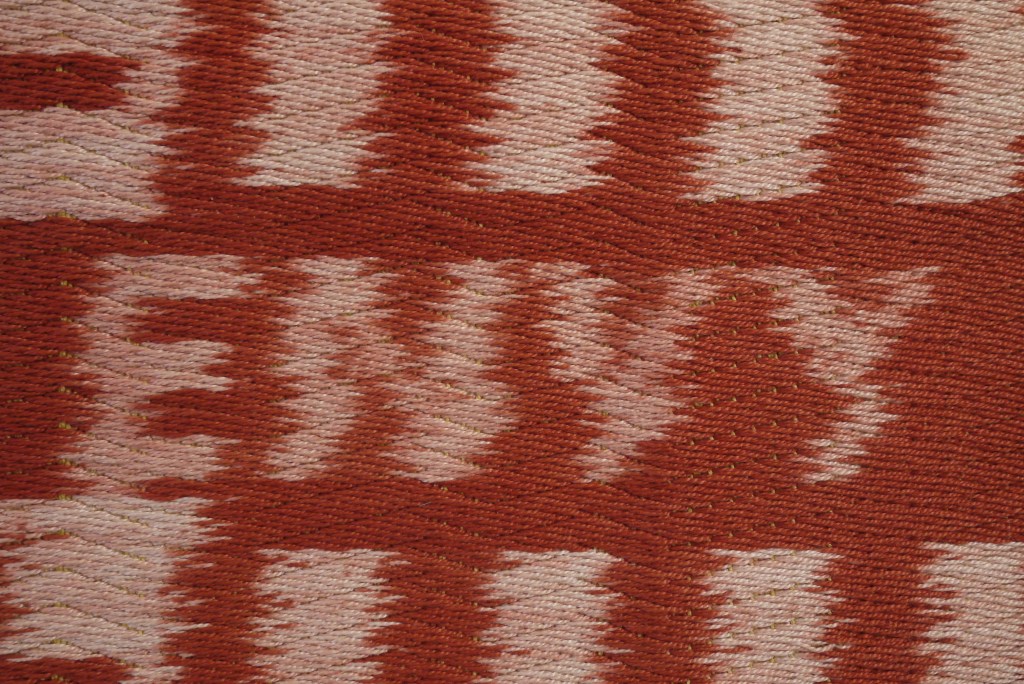
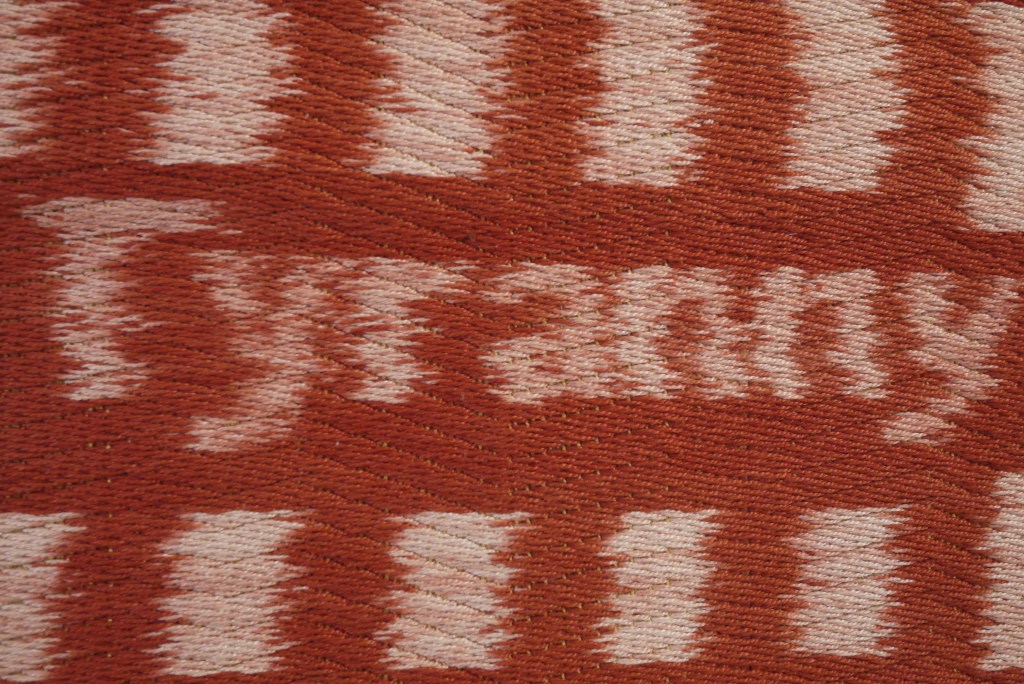
Close up view of Carcasses, 2023. Locally cultivated madder root dye using the Turkey red dye process. Note the different tones of red. The more orange red above is made with a smaller percentage of madder root in the dye bath.
Photo courtesy of Deidre Garrett
James Walmsley of the Omaha Magazine reports the space is “a former alley—about the width of a covered wagon—turned butchery, with a floor that intentionally declines 3 inches on one side so that blood would flow away from work areas.”
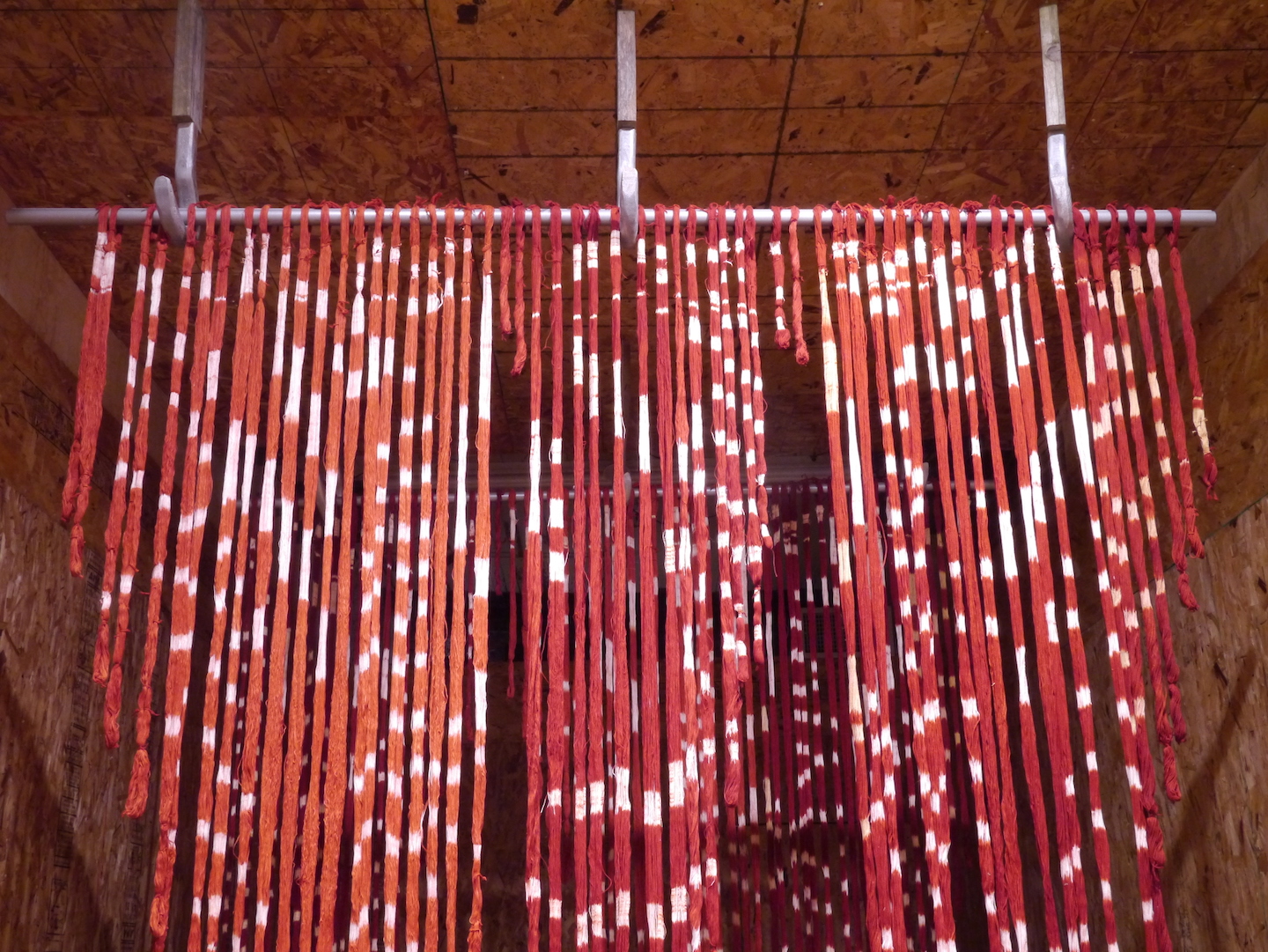
View looking up at Carcasses.
The idea for Cow Parts evolved directly from the previous use of the building, it’s proximity to the Omaha Stockyards, and the extensive ranch economy of the state of Nebraska.
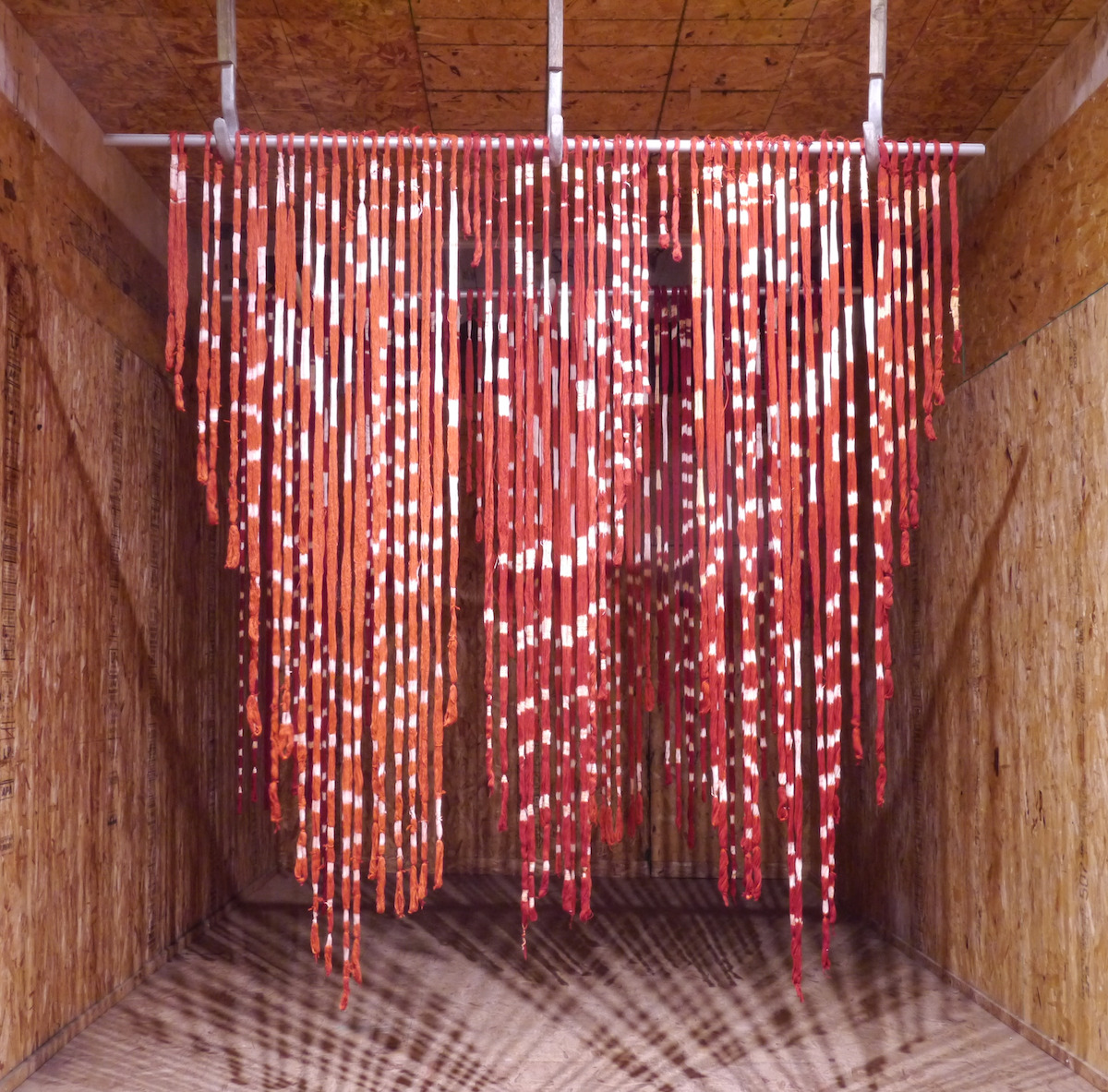
Carcasses. 2023. Turkey red dye process with locally cultivated madder root (Rubia tinctorum)
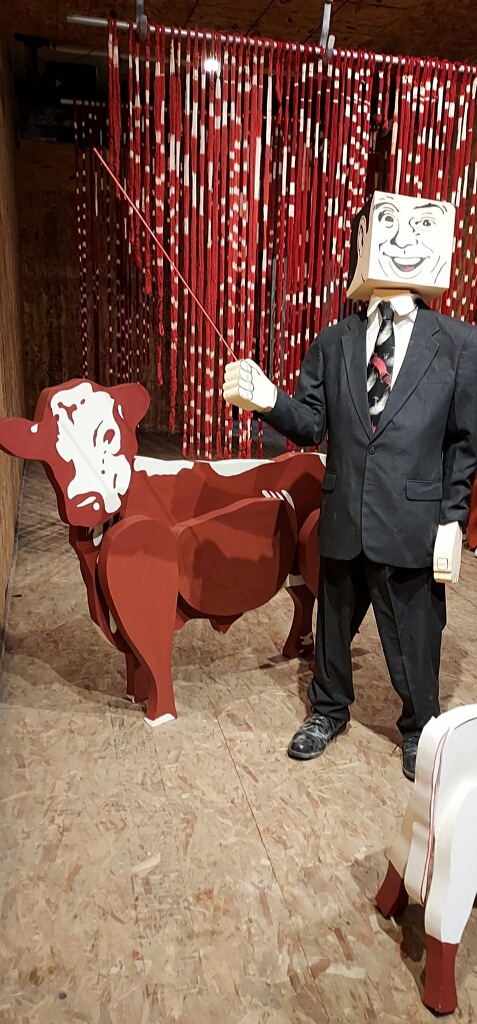
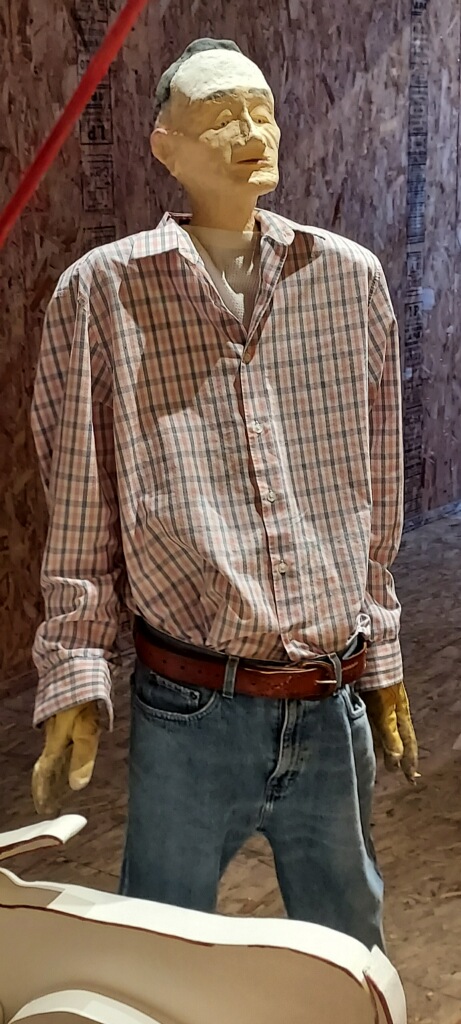
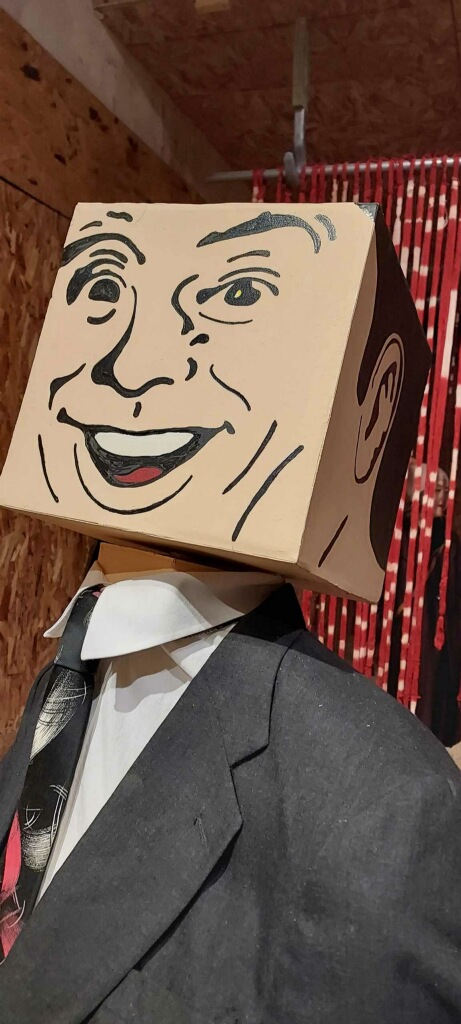
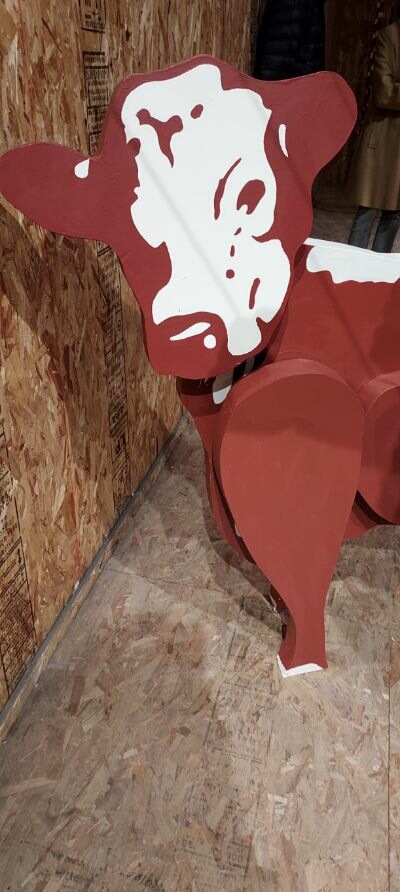
Jay Kreimer built a farmer and salesman along side an AI inspired small mutant cow and a madder colored steer. Below, the men study the flow chart indicating inputs and outputs of the cattle economy. Carcasses hang from hooks behind them. Jay writes that “nature flattens under pressure of being modified, gathered and sold.”
Jay Kreimer built a farmer and salesman.
He writes:
The range of flatness through the piece came from the roundest thing in the world – intuition. I knew the big cow had to be flat. Wendy knew the carcasses had to be flat. I knew the little mutant cow had to be pretty flat and when I saw Samuel Beckett’s face printed on the spines of the books in his collected works, appraising me across the dinner table, I knew the salesman’s face had to be a flat facet on a box of a head. Only the farmer, hungry as he looks, runs close to normal. Skinny but not flat.
Photo courtesy of Deidre Garrett
Photo courtesy of Deidre Garrett
And it came to me, when the parts were nearly complete, what it’s about beyond the witnessing and the play. Nature flattens under pressure of being modified, gathered and sold. And the sellers, stubborn blockheads, flatten too. I give thanks for the farmer and his little mutant, dimensional, attentive, and the relationships with the living that go well beyond commerce. –Jay Kreimer
The madder red cow. Photo courtesy of Deidre Garrett
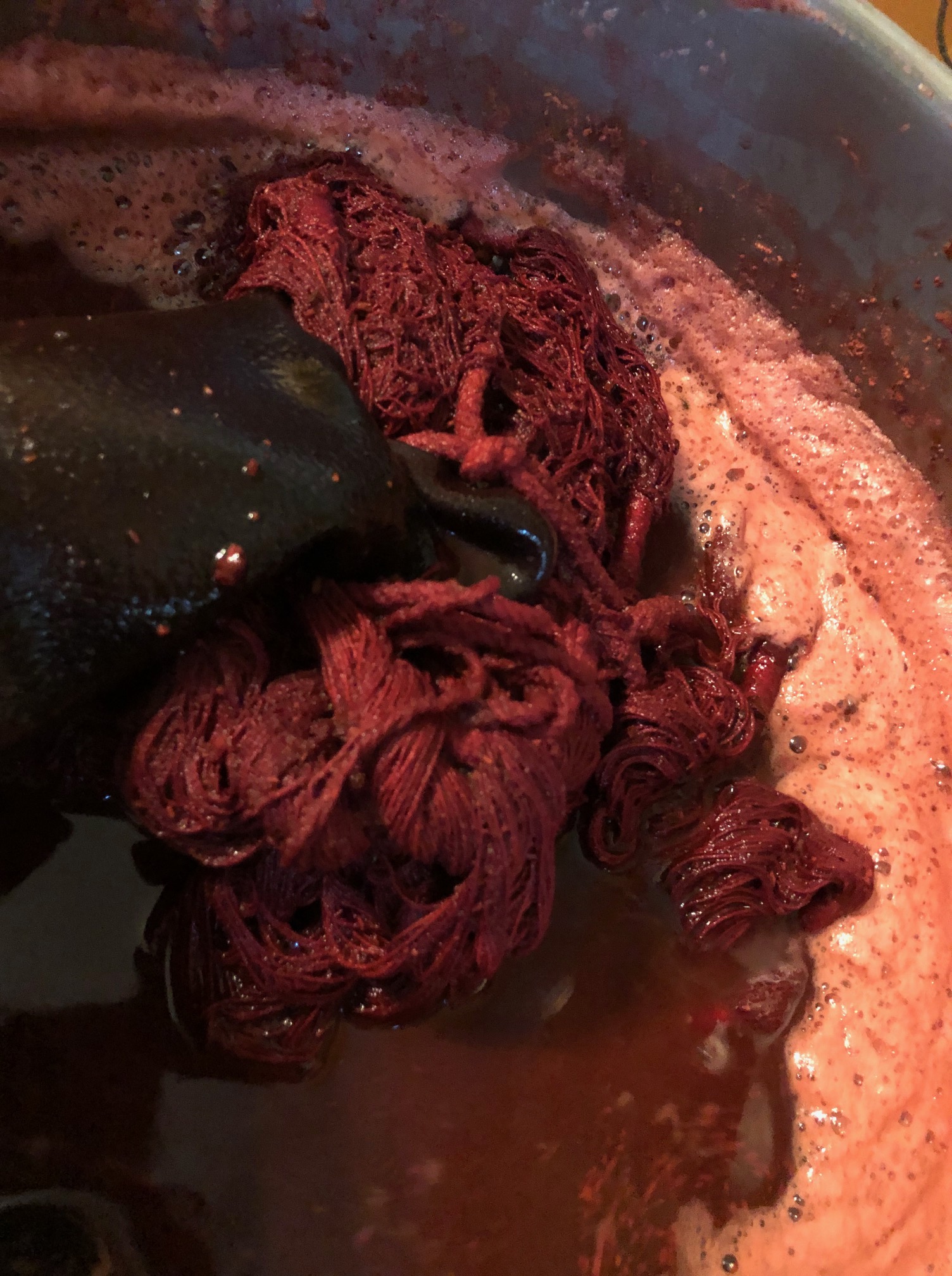
I have been growing Rubia tinctorum since 2002 and have a robust crop that yields glorious reds on cellulose. I am indebted to the work of Mel Sweetnam for making the Turkey red dye process accessible through her online course offerings at Mamie’s Schoolhouse. It has rocked my world!
After 25 days of preparing the cotton fiber for the dye bath, it is finally ready to soak up the alizarin.
My pandemic experience included learning how to create the necessary ingredients for the Turkey red dye process and diving into the history of madder production. Robert Chenciner’s book on Madder Red – A history of luxury and trade is a wonderful reading book. I have found historic documents that discuss growing conditions and trade issues for calico printing and dyeing with madder. For example, regarding cultivation of madder, see “Dyer’s Madder Described–Mode of Cultivation in Holland.” Massachusetts Agricultural Repository & Journal. May 1, 1814. 139-1396. And in the USA the writer, William Partridge, reports on work in France, citing it for the bulk of his message on the “Cultivation of Madder, and Dyeing–No. III.”, American Agriculturist. July 1, 1843. 115-116.
I am excited to offer a natural dye and weaving course at Peters Valley again this summer, Aug.13-17, 2021. The location is tranquil and convivial–a perfect spot to devote the time and enthusiasm to creating new colors and weaves. This class introduces to students to working with plant based dyes, collected directly from a dye garden (since Peters Valley is located in the Delaware Water Gap National Recreation Area, we cannot gather plants on site). We will immerse naturally colored wool into a set of dye baths to create rich palette for weaving.
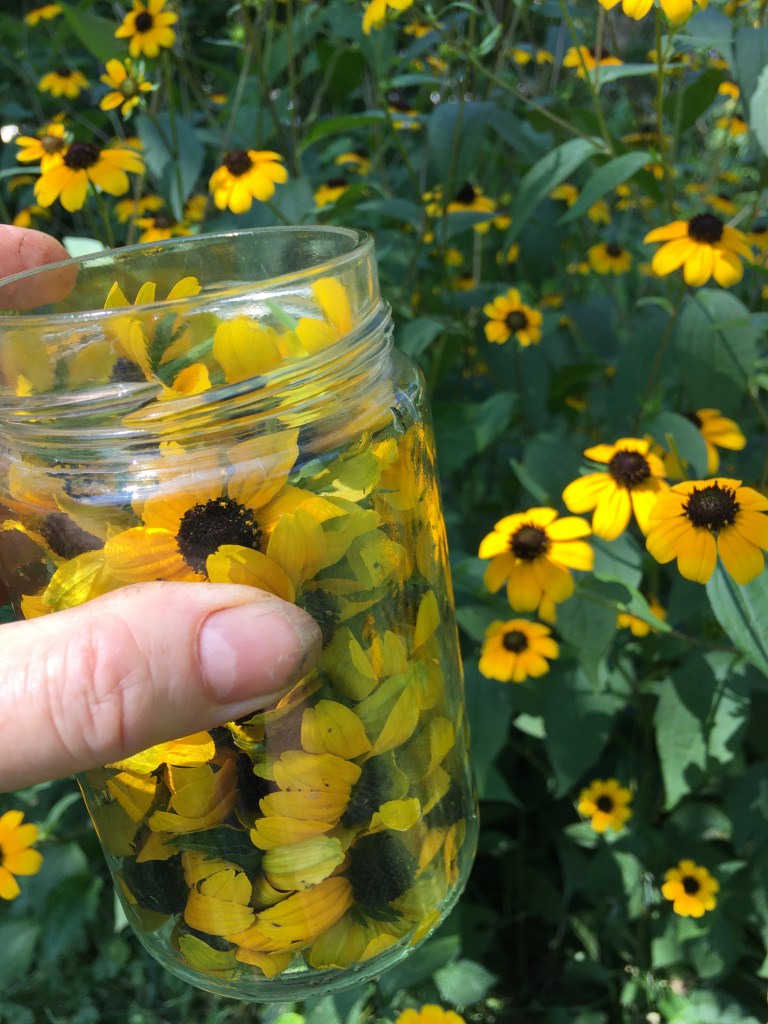
Rudbeckia hirta, commonly called black-eyed Susan
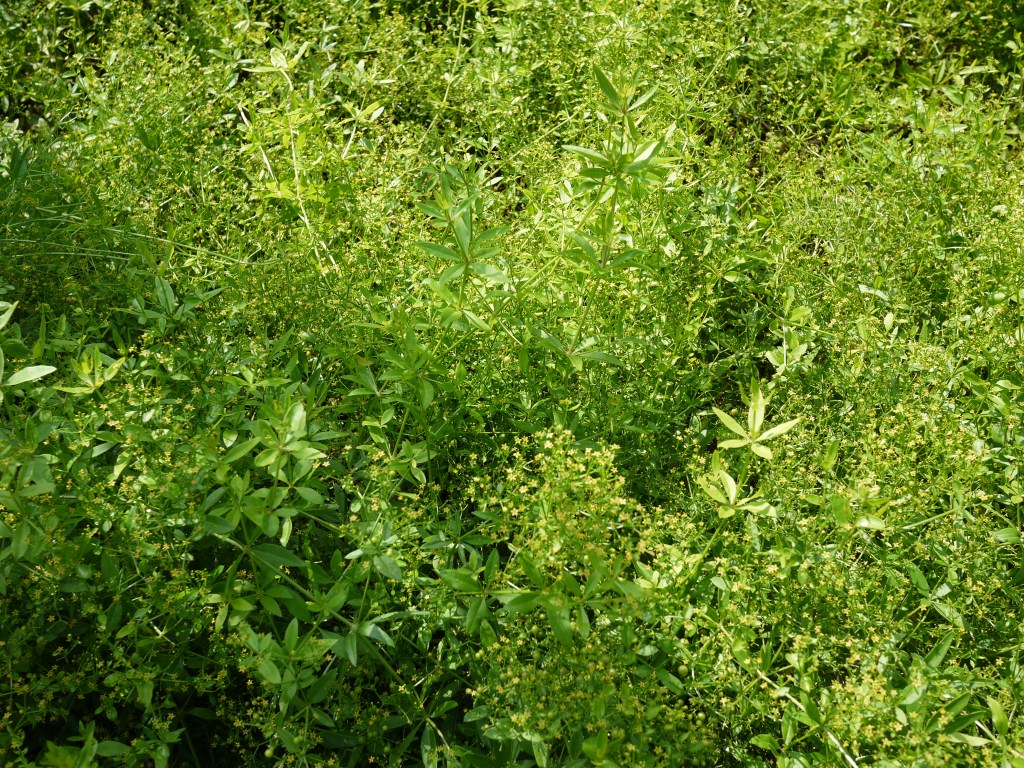
Rubia tinctorum, madder
Wetting out the naturally colored wool
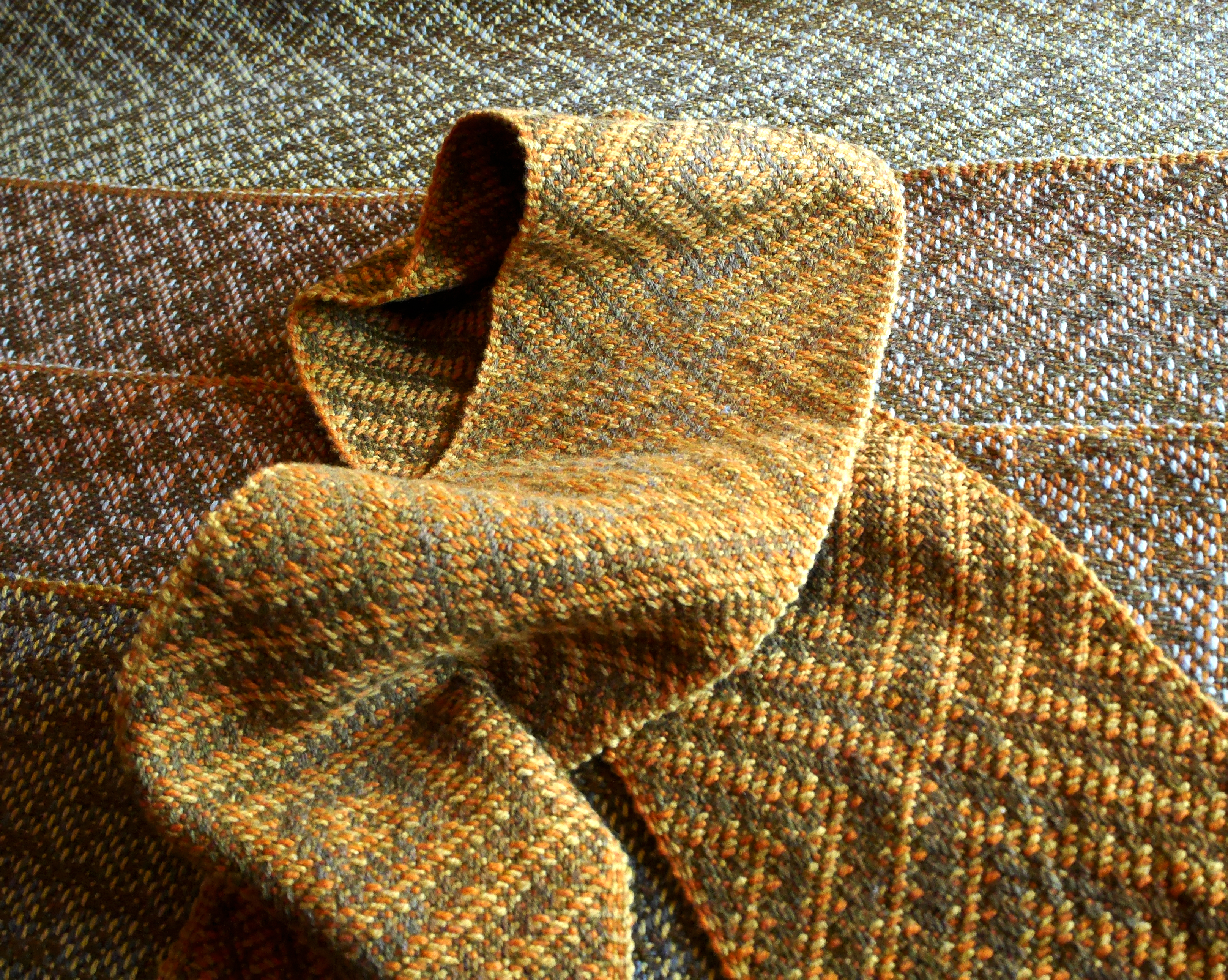
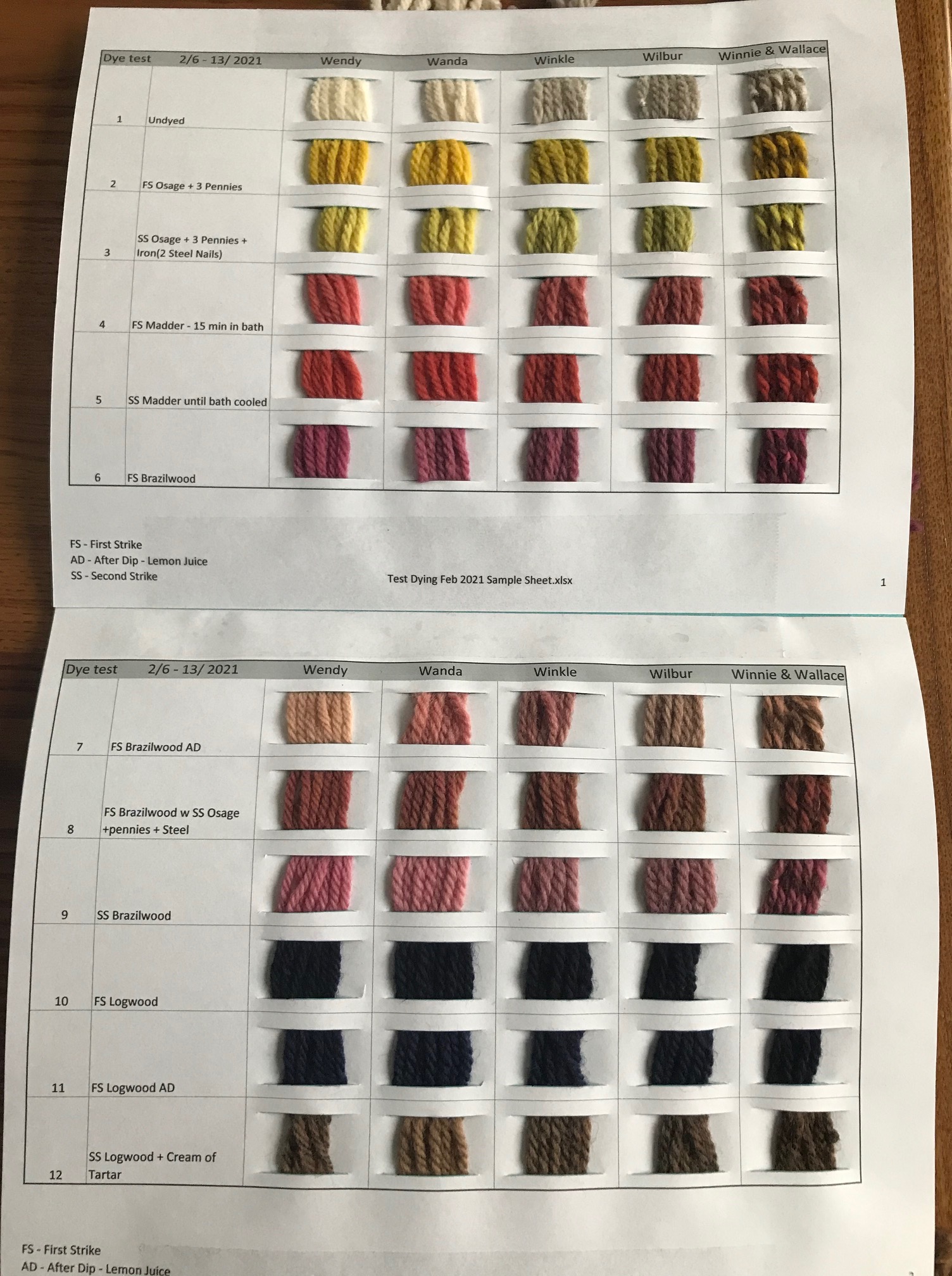
In addition, students will receive instruction in weave structure design and development, computer assisted design demonstrations (to render weave structure ideas and color ways), hand finishes, and will take home an elegant, handwoven wearable, as well as swatch sheets documenting the colors obtained from each dye source. Participants are welcomed and encouraged to be in touch with me about harvesting their own plants for use in class.
Very happy to have been invited to contribute to POWIDOKI (Afterimage) an incredibly beautifully designed journal published by The Strzemiński Academy of Fine Arts Łódź (Poland). The periodical is devoted to significant artistic and scientific events.
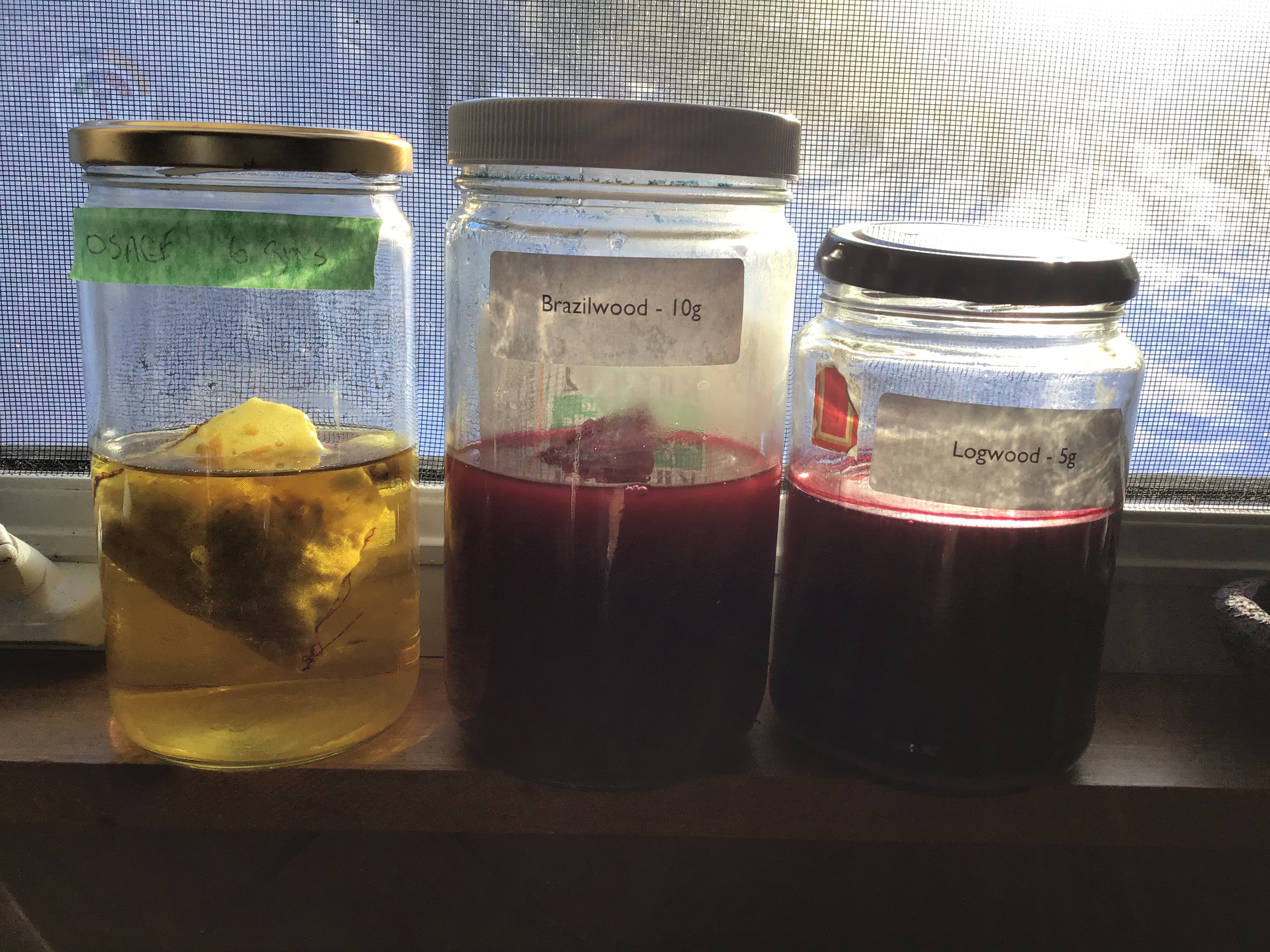
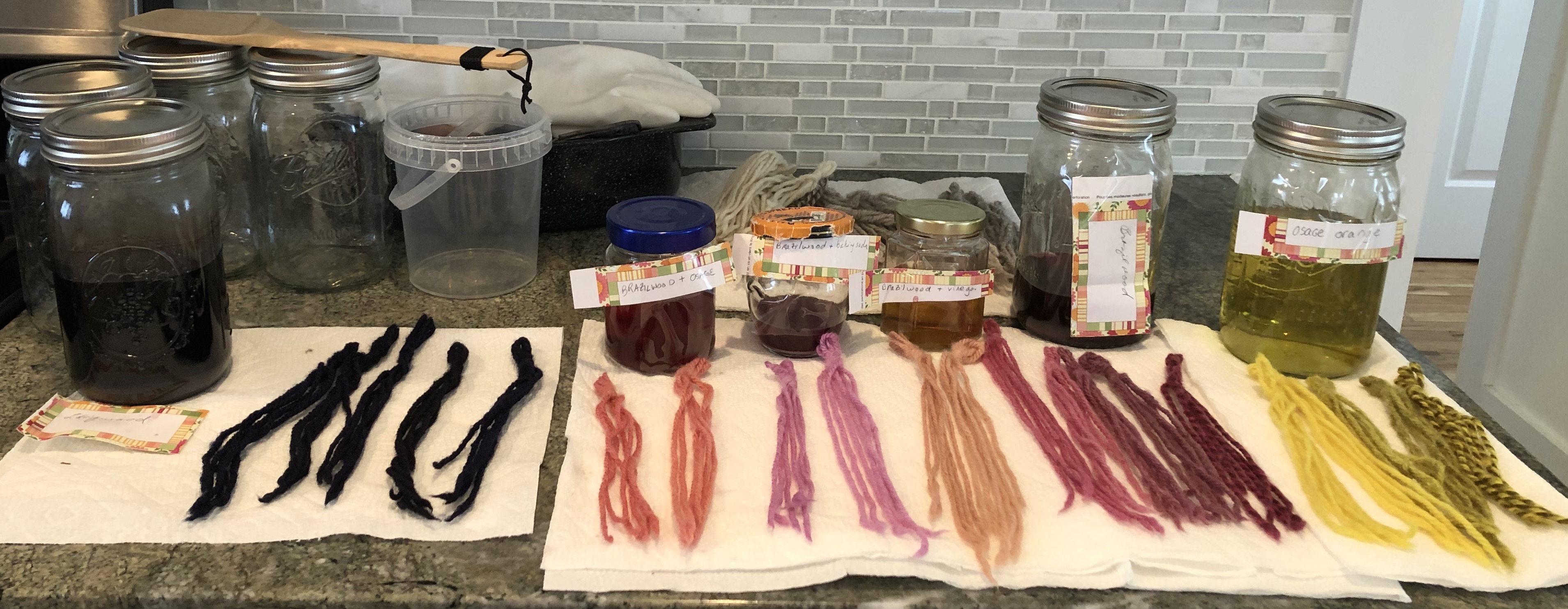
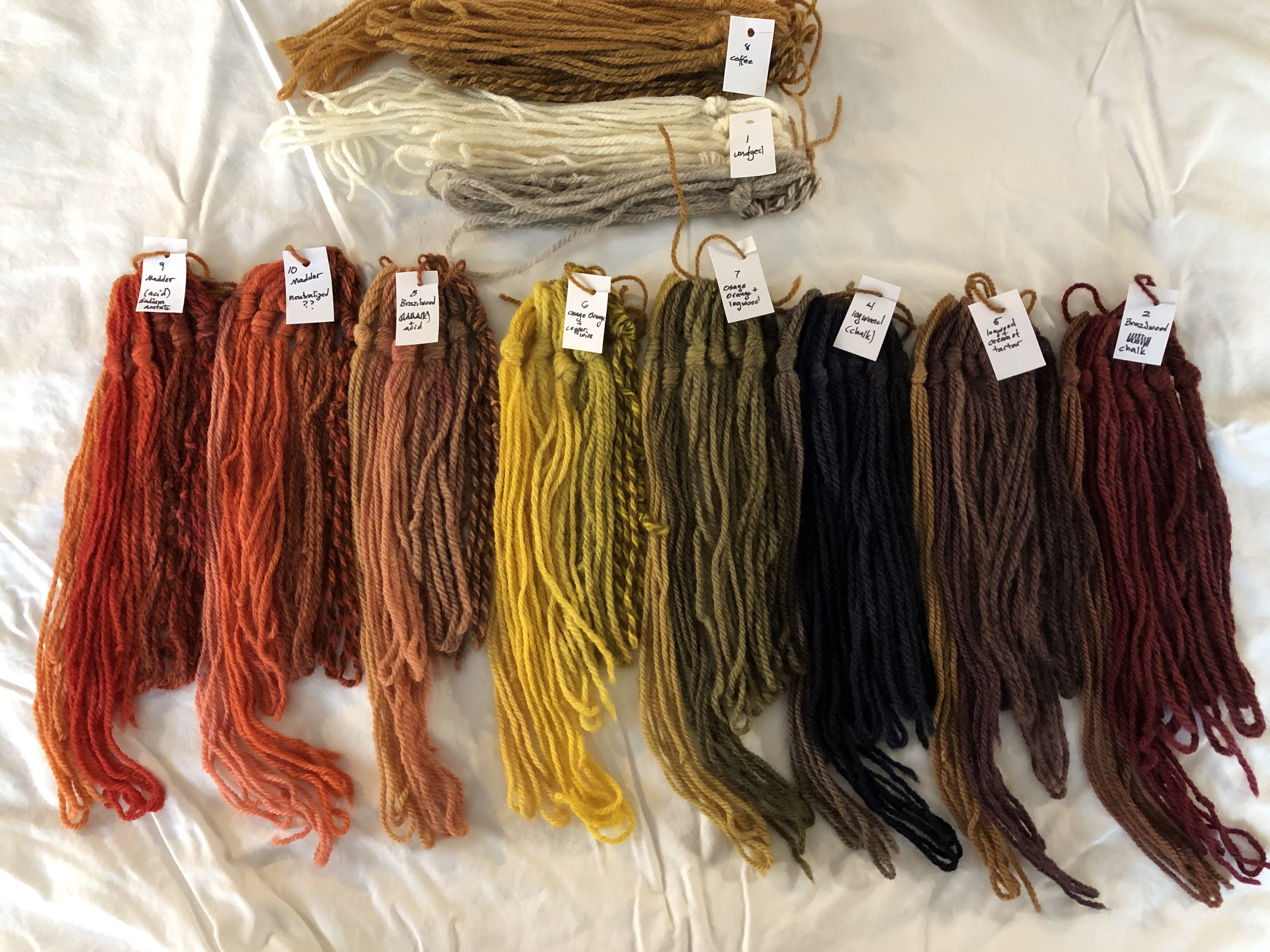
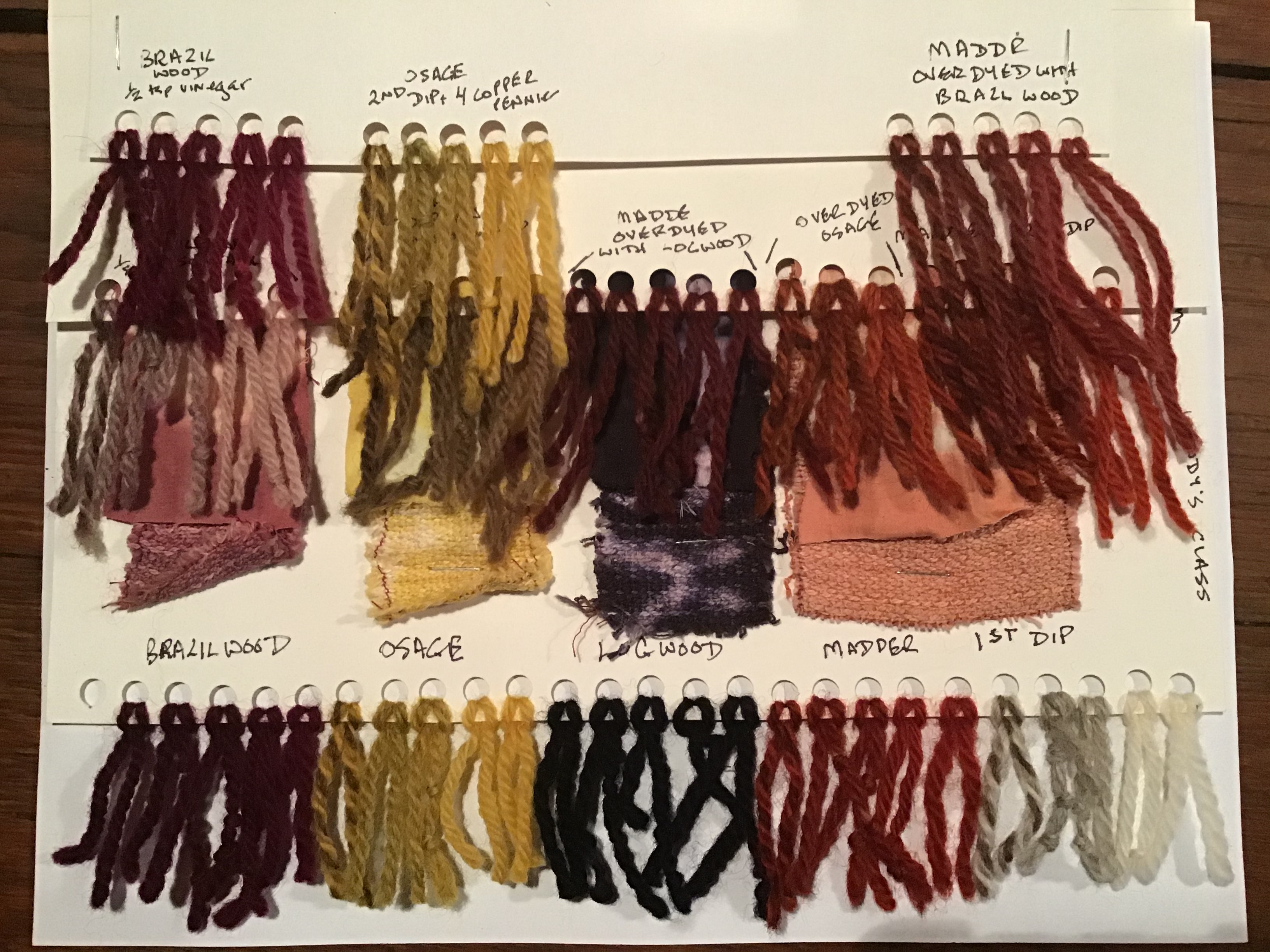
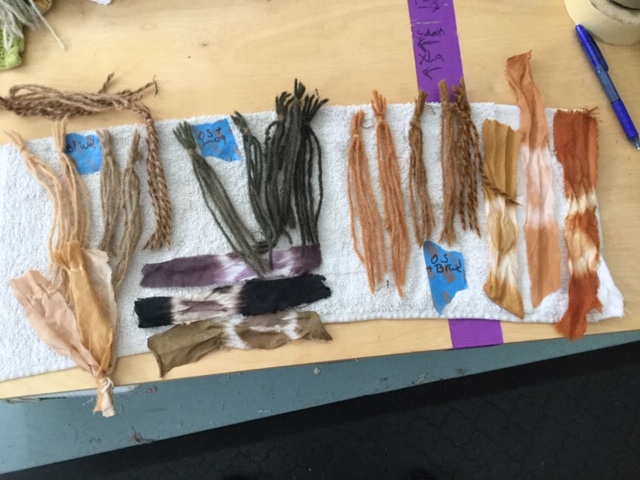
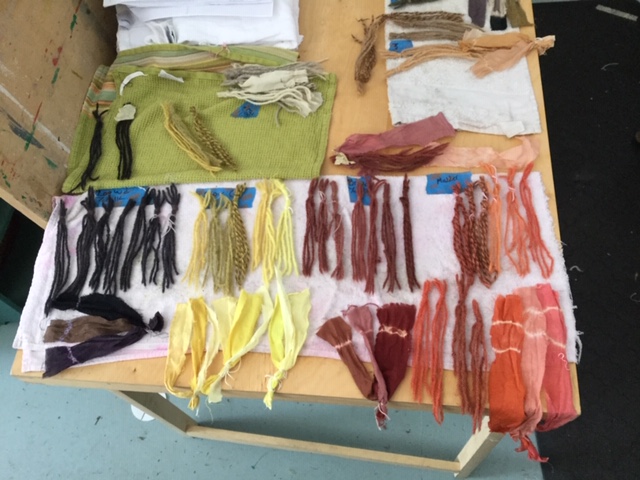
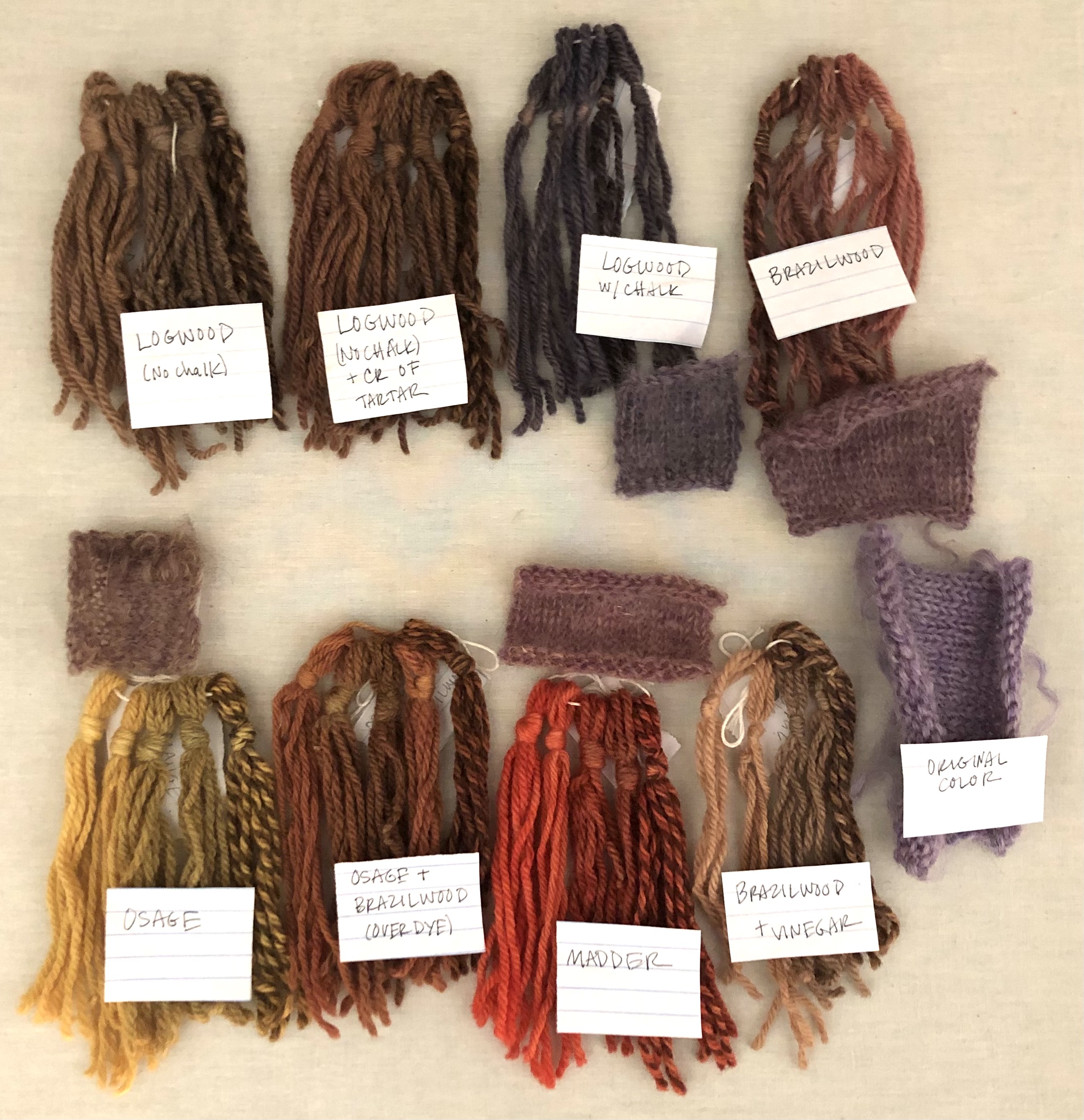
Introduction to Natural Dye class on wool at Peter’s Valley School of Craft, beginning with naturally colored wool, students developed a range of color using Logwood, Brazilwood, Rubia cordifolia (Indian Madder Root), and Osage Orange. This workshop group met on two consecutive Saturdays for a total of 5 hours and worked independently over the week to scour, mordant, dye, and record their work.
All images used with permission from the maker/photographer.
This edition of four weavings is a result of a call to participate in LOCKDOWN 2020 – PATA uniting PEOPLE – International Exhibition at the Strzemiński Academy of Fine Arts Łódź. Organized as part of the International Summer Courses Printmaking and Textile Art PATA, the curators asked “all works will in some way refer to the lockdown, even if simply through the date of their creation.”
According to the Washington Post “in 2017, Trump made 1,999 false or misleading claims. In 2018, he added 5,689 more, for a total of 7,688. And in 2019, he made 8,155 suspect claims.” By June 2020 Trump has made close to or surpassed 20,000 misleading or false remarks, frequently repeating and embellishing the same ones more than 300 times. Sadly, the president of the United States of America is not the only world leader who has resorted to lying, with tragic outcomes during the global pandemic.
LIAR #2, detail.
The exhibition runs virtually this summer and will be live in 2021. LIAR #1 is on view in Making Matters: Fresh Perspectives in Fine Craft a virtual exhibition at Peters Valley running from June 8 – October 26, 2020.
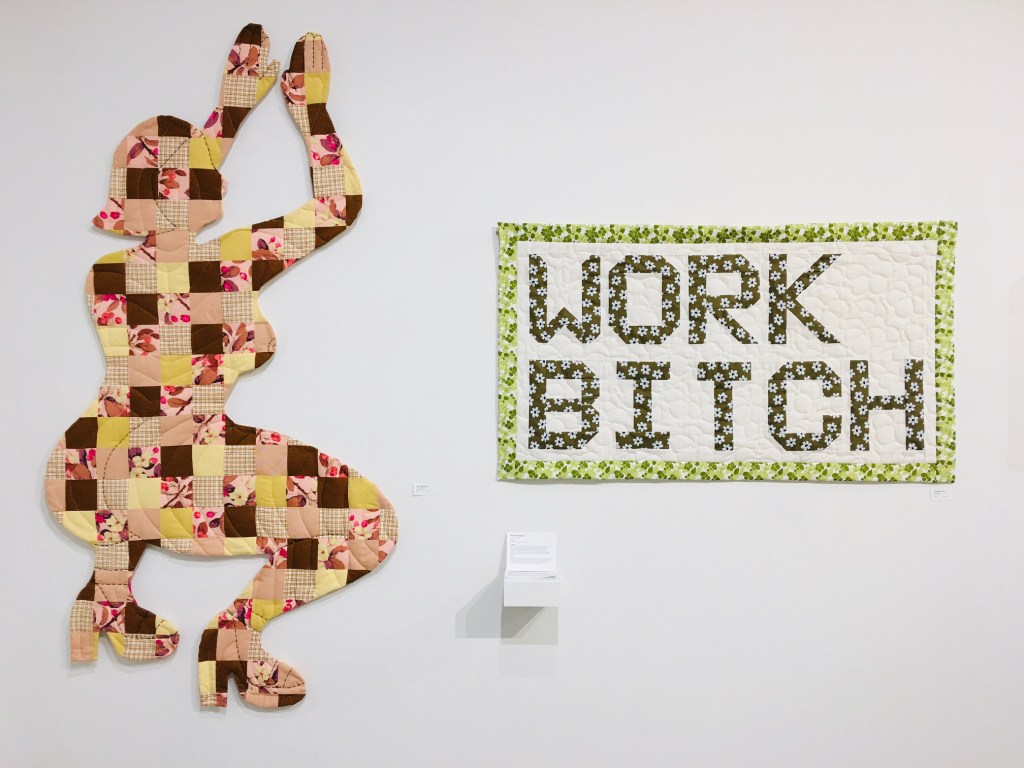
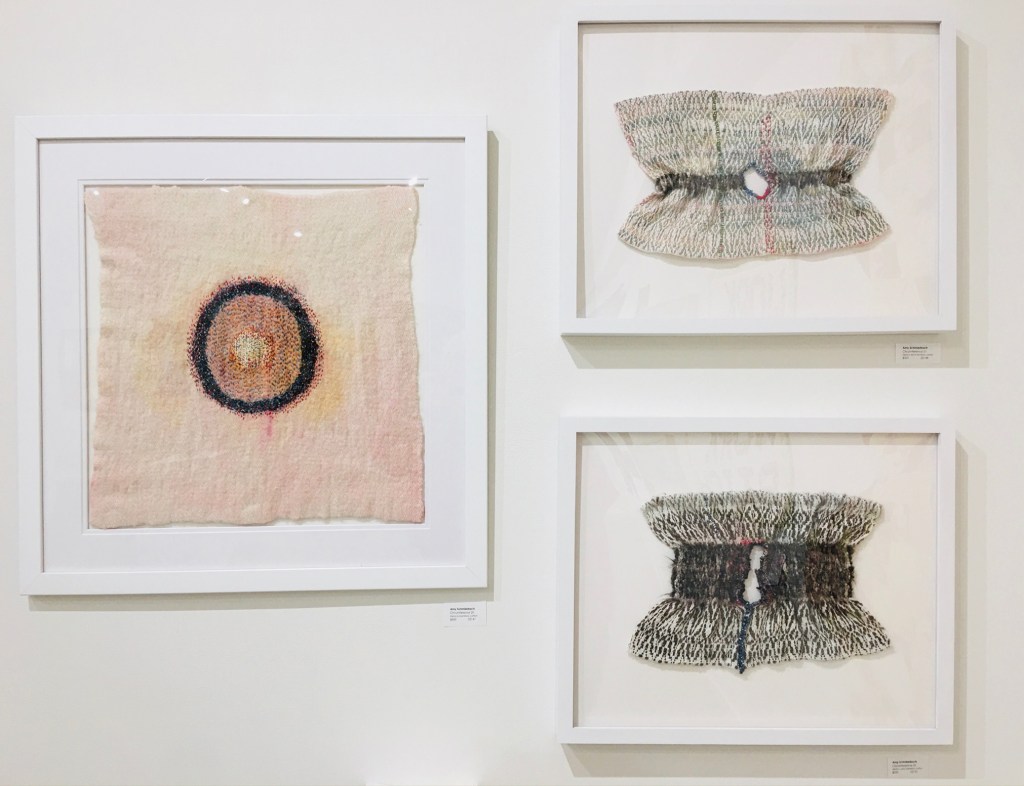
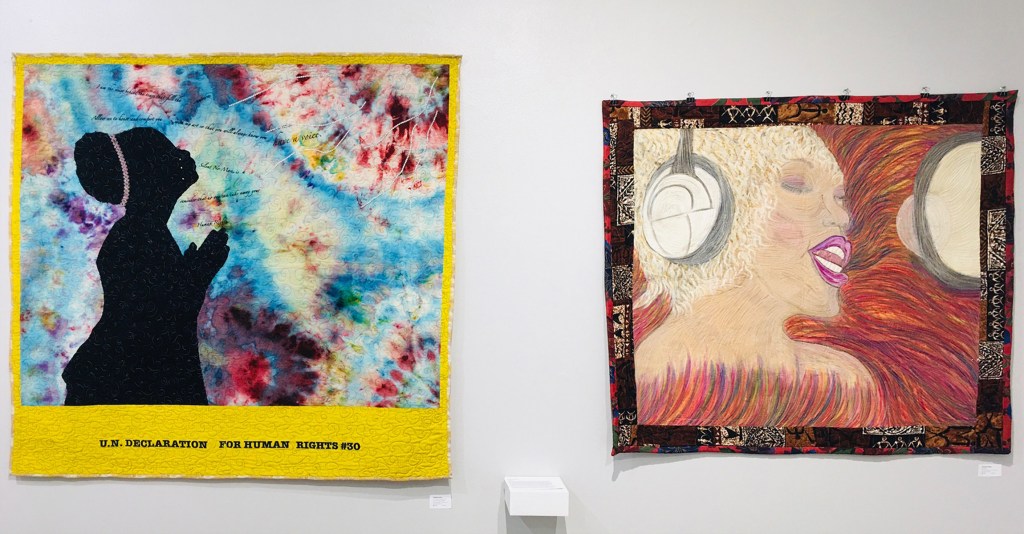
Lincoln, NE–Exhibition curator Katelyn Farneth, brought together a group of sixteen women artists from the mid-west to anchor a what could become the first annual FiberFest in Lincoln. Work in the exhibition features text applied to textile with embroidery (Jen Bockelman), quilting (McKenzie Phelps and Celeste Butler), and machine embroidery (Camille Hawbaker Voorhees), to point out a few. Other artists work with dimensional materials to create forms in space. All artists manipulate their chosen textile material(s) to maximize the ways color, pattern, and texture combine to express and reveal. The combination of work is beguiling, with bountiful use of color to draw in the viewer. Each artist contributed two or more works, allowing for depth in the show. The thoughtful installation of the work, with each artists’ work hung as a group, allows the viewer to spend time with each artist’s expressions.
Continuing the legacy of women driving the fiber movement, these artists boldly work in mediums once relegated to craft and breathe new life and a sense of urgency into their chosen mediums. With the #MeToo movement taking our country by storm and the threat to women’s bodily autonomy becoming more real every day, being a female artist working in mediums once considered domestic and “lesser” is both an act of defiance and celebration
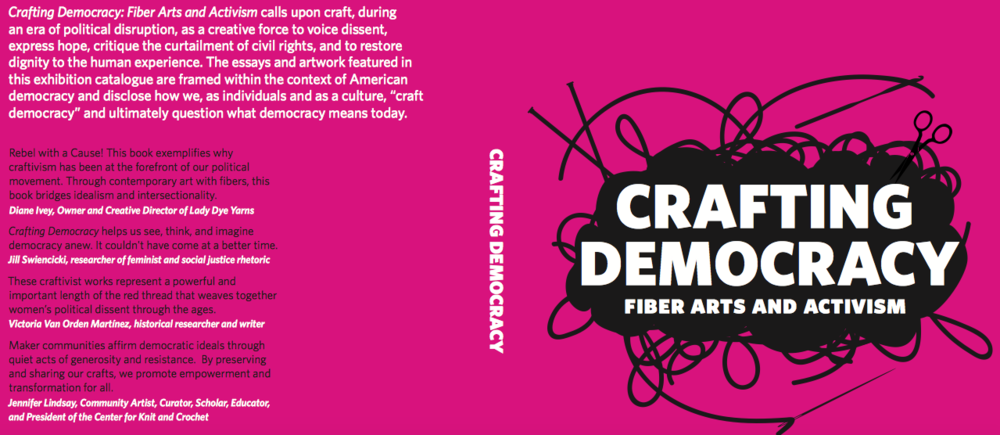
Organizers of Crafting Democracy: Fiber Arts and Activism recently announced the show will travel to The Sculpture Center, Cleveland, Ohio, November 29, 2019 – January 10, 2020 and Bevier Gallery Rochester Institute of Technology, College of Art and Design, February 14-March 14, 2020, the Woodlawn and Pope-Leighey House, Alexandria, VA in April-May 2020, with additional venues throughout 2020 to be announced. For more information or to book the exhibition, please contact the organizers through: https://www.craftingdemocracy.com/.
Juilee Decker, Ph.D., Associate Professor, Museum Studies Program and Hinda Mandell, Ph.D., Associate Professor, School of Communication at the Rochester Institute of Technology co-curated the exhibition Crafting Democracy: Fiber Arts and Activism and edited the beautifully designed catalog of the same name. Betty M. Bayer, professor of Women’s Studies at Hobart and William Smith Colleges, writes in the foreward to the catalog, “Every thread, fiber, weave, and stitch reinvents art and craft as democracy’s warp and weft—needling, in significant ways, relations of gender, race, class, and justice.”
The show features work by thirty-two artists. My piece, titled “Resist,” is included in the exhibition. For the catalog statement, I wrote:
Acts of resistance are documented in the literature about life in the Polish ghettos and concentration camps of World War II. I honor the individuals who had the courage to act morally in the face of life-threatening and deadly conditions with the weaving titled Resist. The word continues to resonate today.
The show runs through October 25, 2019 at the Anthony Mascioli Gallery, Harold Hacker Hall, Central Library of Rochester.
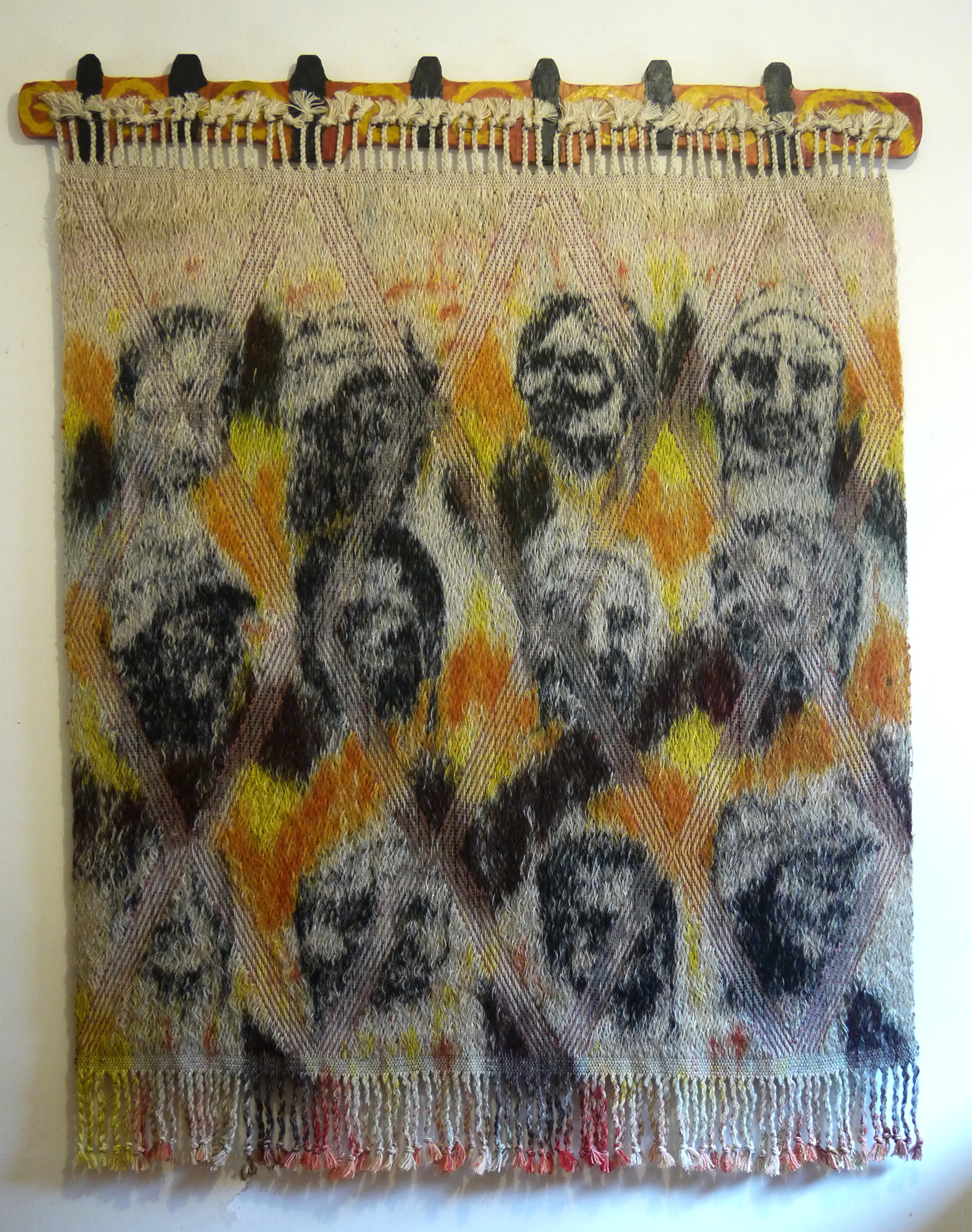
This weaving was the last of a series of “At the Fence” weavings. Originally from NJ, I live in the Midwest and shortly after moving to Nebraska in 1986 I learned that I was living in what some have termed “the nuclear heartland.” The first four weavings from this series examined the human toll of the use of nuclear weapons during WWII and the devastating impact the two bombs, Fat Man and Little Boy, had on the residents of Hiroshima and Nagasaki. Heroic individuals dedicated their lives during the cold war (and beyond) to protest our government’s continued development and stockpiling of nuclear weapons.
At the Fence # 5, Love of my Brother. 1991. 75″ x 60″. Multi-shaft weaving with twill inlay weft on satin weave. Warp screen printed and dyed. Cotton, wool, rayon, linen dyed with fiber reactive dye. Mounted on wood with encaustic.
In October 1987 I spent the night as part of a missile vigil in the Kadoka, South Dakota area, sleeping alongside an MX missile with my two female companions and an armored personnel carrier. The organizers of the vigil alerted the Air Force we would be camping out at selected missile sites in the area.
The image of the fence was my way to pay tribute to the people who sacrificed their freedom to protest and practice civil disobedience at the fences of various facilities in the USA and abroad. This last weaving in the series brought the imagery to the current time in the early 1990’s, with faces of people engaged in human rights struggles, or perpetuating those struggles in the name of the armed forces, around the world—for example in South Africa, Honduras, and Panama.
This weaving is included in Fiber Arts IX. Sebastopol Center for the Arts. Aug. 2- Sept. 8, 2019.






 Wendy Weiss Ikat and natural dye