An installation in collaboration with Jay Kreimer at Project Project in Omaha, Nebraska
Project Project is an alternative gallery space nestled in the Vinton Street Commercial Historic District of Omaha, Nebraska. Once an alley between two historic buildings, the venue exists thanks to the work of Joel Damon and Josh Powell, who curate, install, program, and run the show.
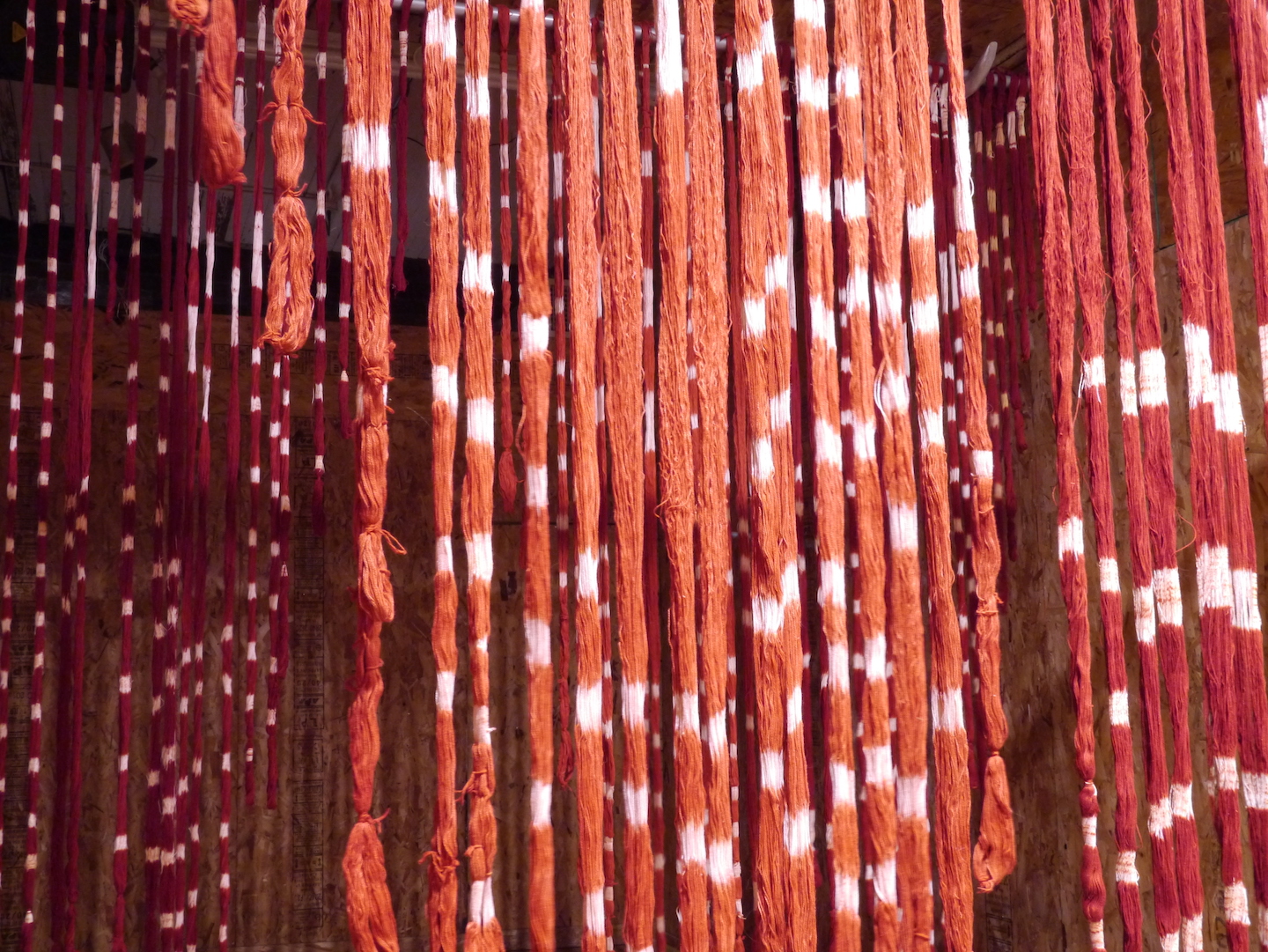
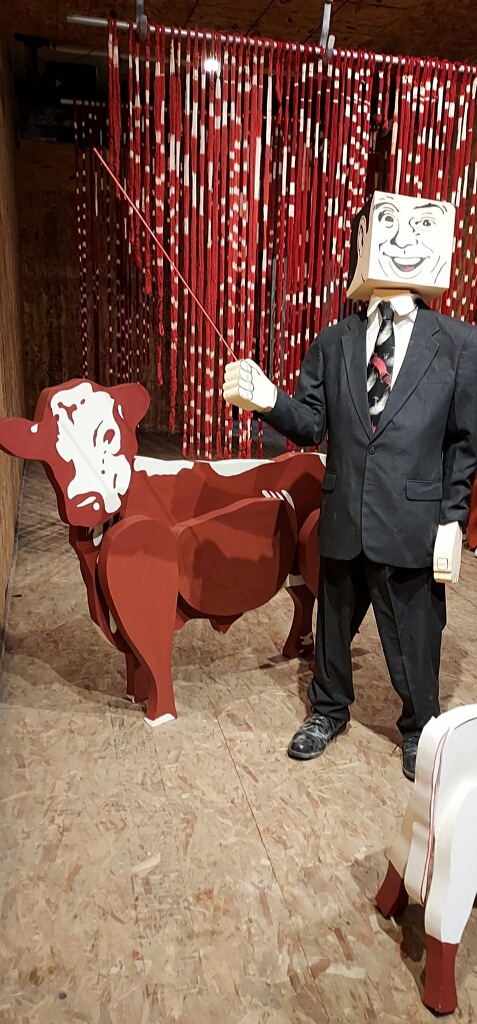
James Walmsley of the Omaha Magazine reports the space is “a former alley—about the width of a covered wagon—turned butchery, with a floor that intentionally declines 3 inches on one side so that blood would flow away from work areas.”
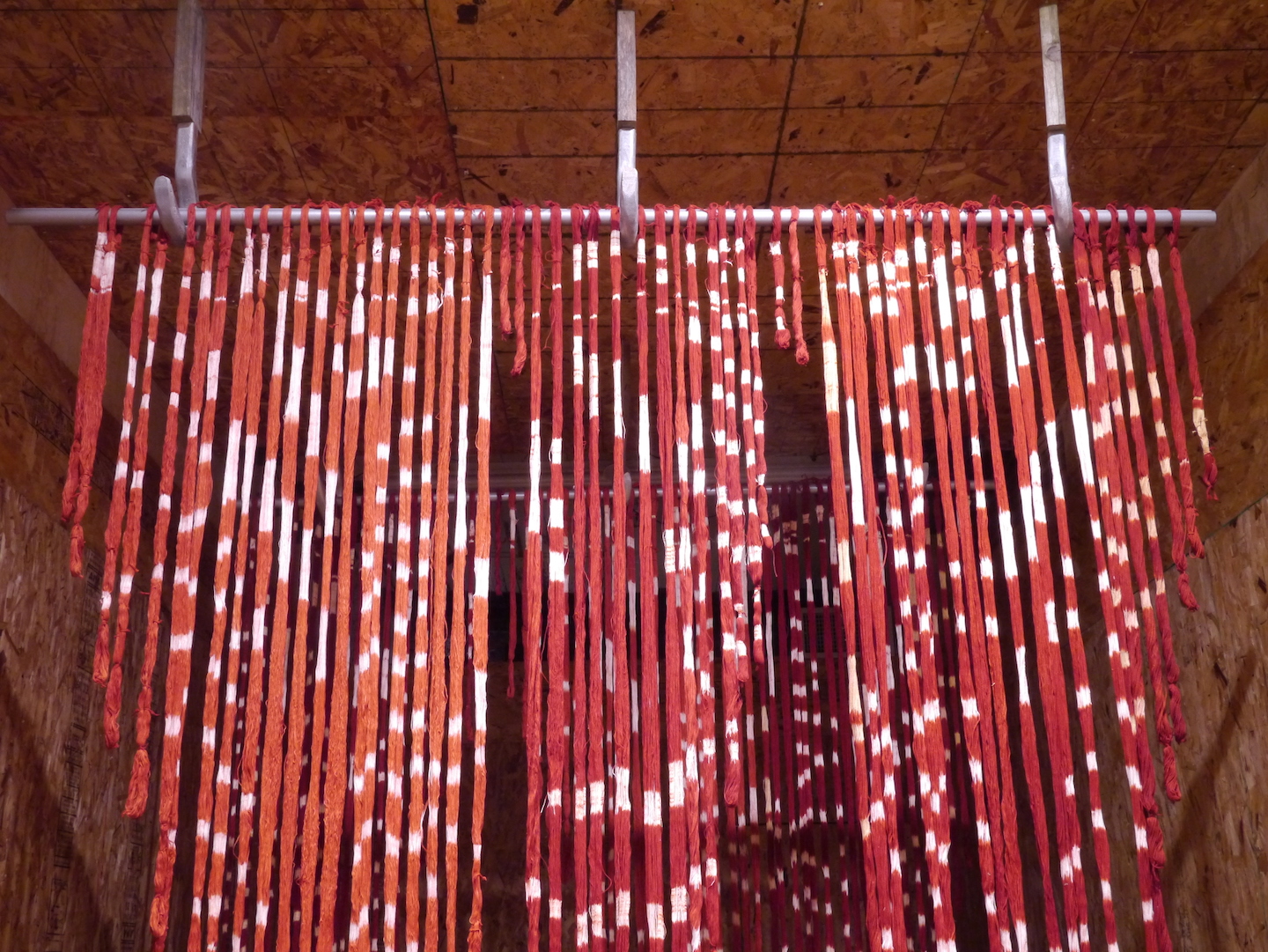
The idea for Cow Parts evolved directly from the previous use of the building, it’s proximity to the Omaha Stockyards, and the extensive ranch economy of the state of Nebraska.
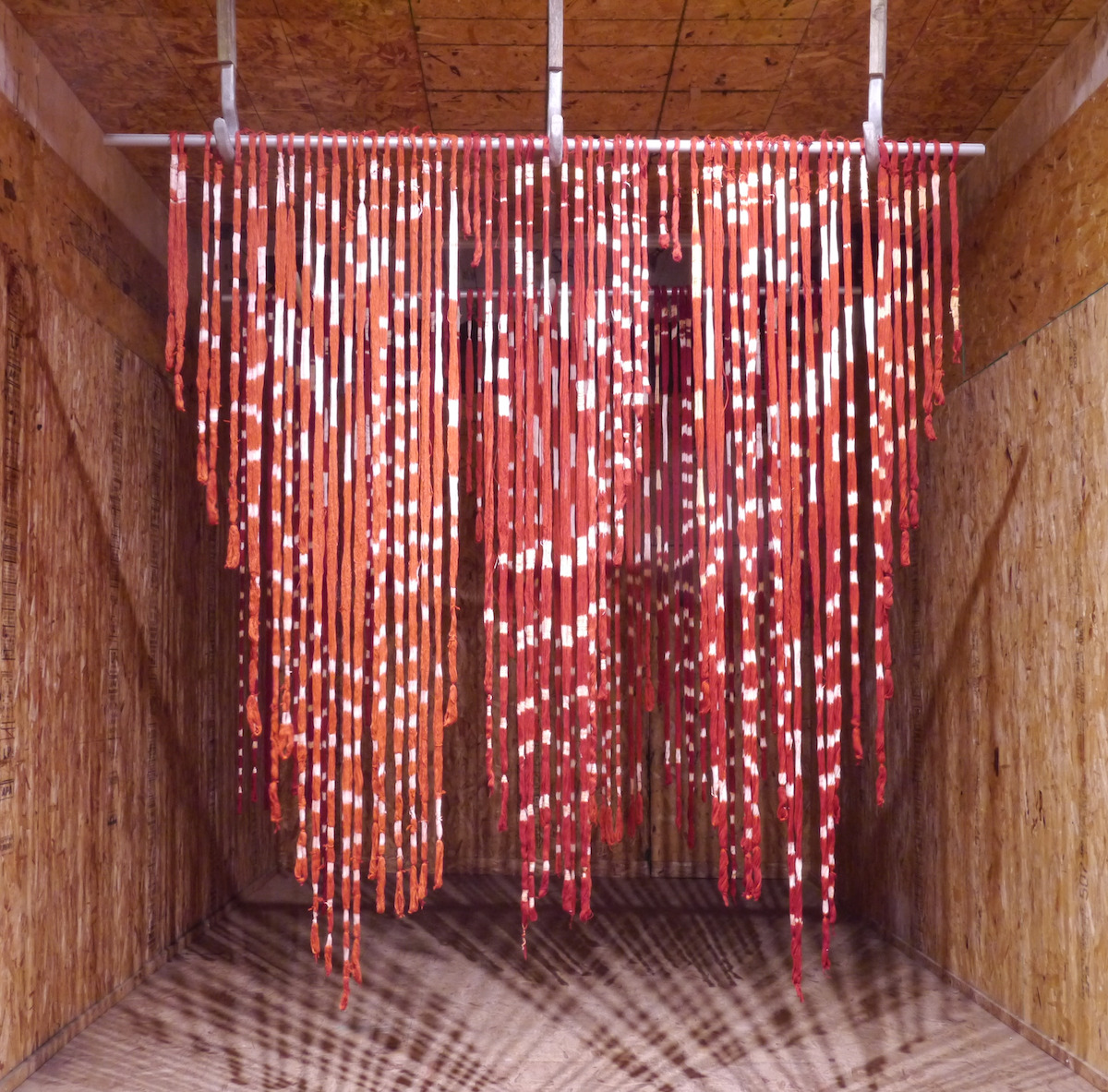
Jay Kreimer built a farmer and salesman along side an AI inspired small mutant cow and a madder colored steer. Below, the men study the flow chart indicating inputs and outputs of the cattle economy. Carcasses hang from hooks behind them. Jay writes that “nature flattens under pressure of being modified, gathered and sold.”

He writes:
The range of flatness through the piece came from the roundest
thing in the world – intuition. I knew the big cow had to be flat.
Wendy knew the carcasses had to be flat. I knew the little mutant
cow had to be pretty flat and when I saw Samuel Beckett’s face
printed on the spines of the books in his collected works,
appraising me across the dinner table, I knew the salesman’s
face had to be a flat facet on a box of a head. Only the farmer,
hungry as he looks, runs close to normal. Skinny but not flat.
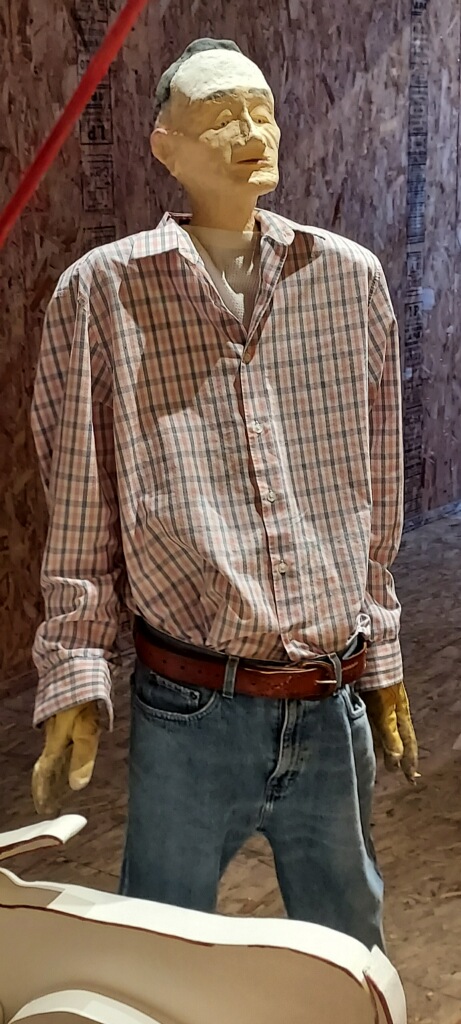
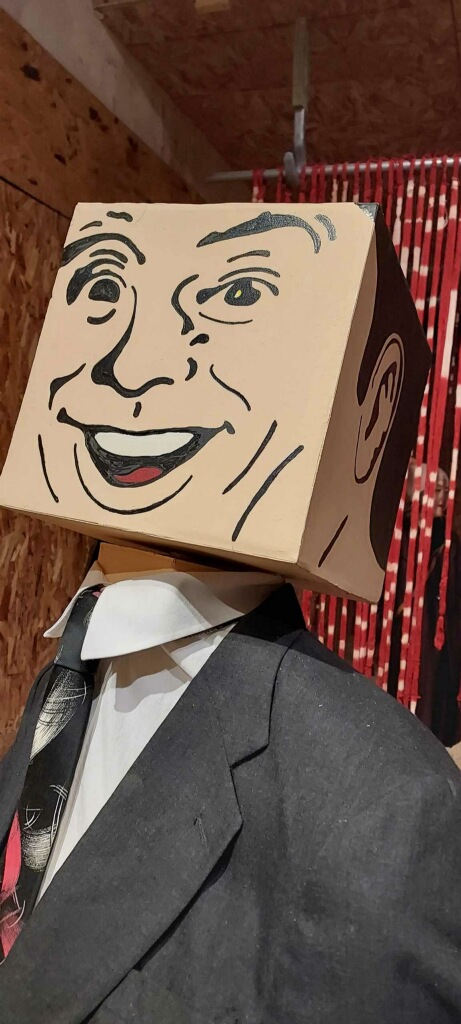
And it came to me, when the parts were nearly complete, what it’s about beyond the witnessing and the play. Nature flattens under pressure of being modified, gathered and sold. And the sellers, stubborn blockheads, flatten too. I give thanks for the farmer and his little mutant, dimensional, attentive, and the relationships with the living that go well beyond commerce. –Jay Kreimer
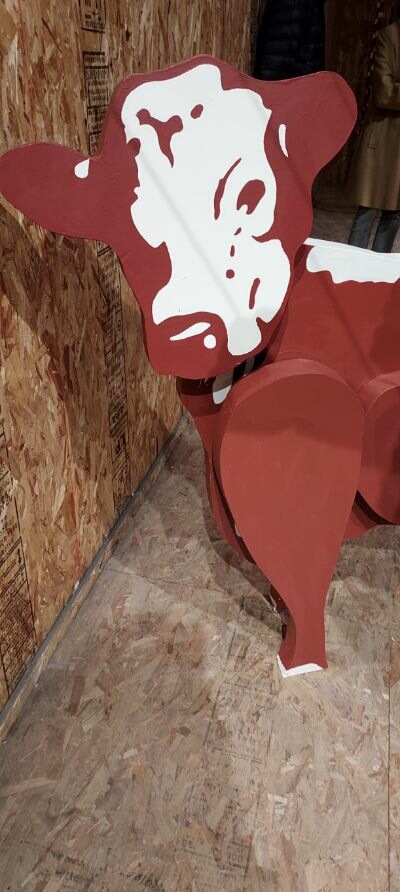
I have been growing Rubia tinctorum since 2002 and have a robust crop that yields glorious reds on cellulose. I am indebted to the work of Mel Sweetnam for making the Turkey red dye process accessible through her online course offerings at Mamie’s Schoolhouse. It has rocked my world!
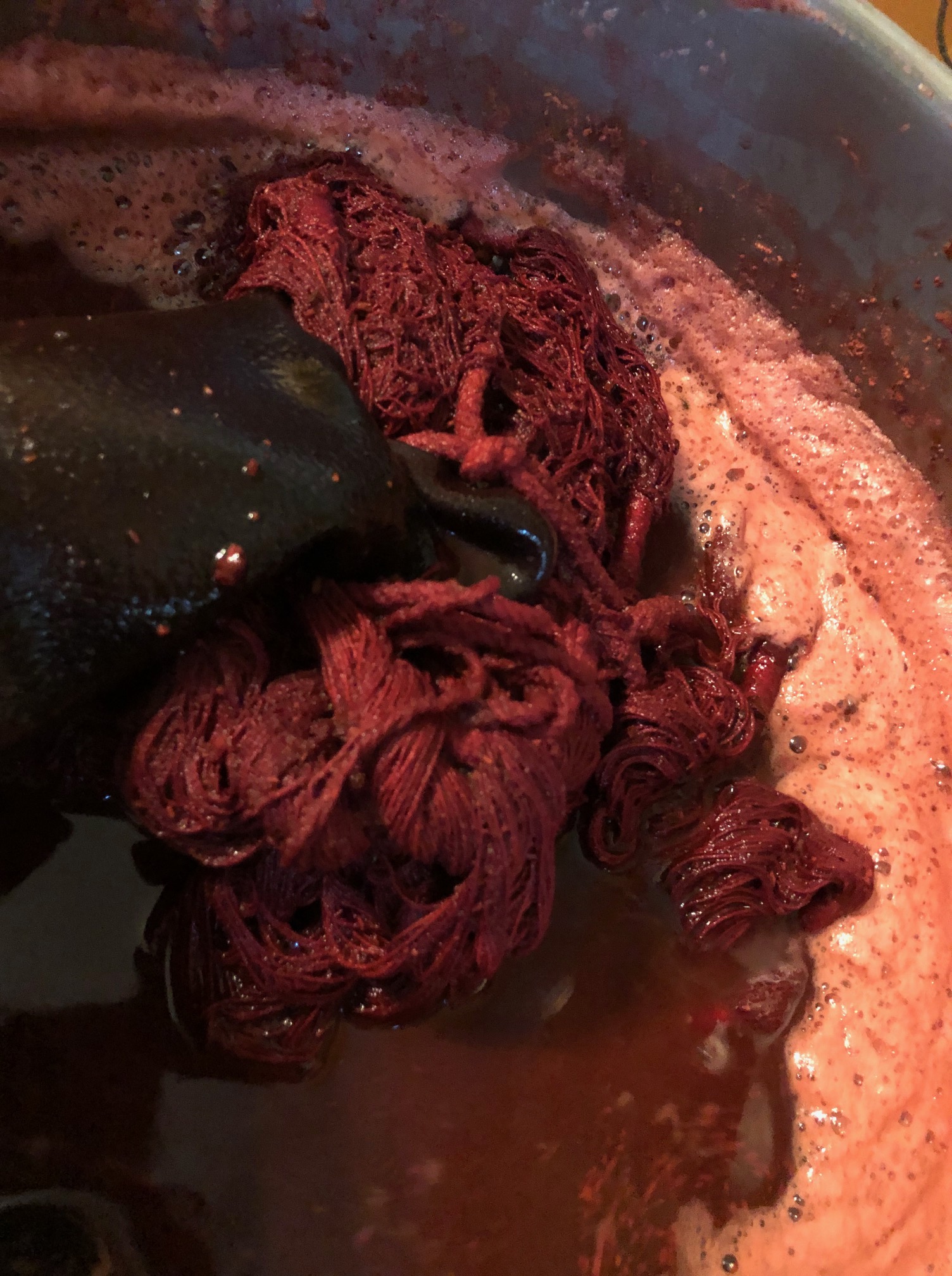
My pandemic experience included learning how to create the necessary ingredients for the Turkey red dye process and diving into the history of madder production. Robert Chenciner’s book on Madder Red – A history of luxury and trade is a wonderful reading book. I have found historic documents that discuss growing conditions and trade issues for calico printing and dyeing with madder. For example, regarding cultivation of madder, see “Dyer’s Madder Described–Mode of Cultivation in Holland.” Massachusetts Agricultural Repository & Journal. May 1, 1814. 139-1396. And in the USA the writer, William Partridge, reports on work in France, citing it for the bulk of his message on the “Cultivation of Madder, and Dyeing–No. III.”, American Agriculturist. July 1, 1843. 115-116.


Do you roast your fresh madder root. If yes, how? Thank you in advance.
Hi Deb, I do not roast them. I let them dry out over time in a cardboard box. As they dry, I shake the dirt off them. By the time they are dry enough to grind I have them free off any clinging dirt and I give them a quick rinse in water. I let them dry spread out on top of brown paper salvaged from packing material. More of the outer skin drops off. When completely dry, I put into a paper shopping bag to store until I grind them.
Yep, that is basically what I do. Thanks for answer.